Climber Animals Wiki - Complete Guide
Overview
Climber Animals is an innovative indie platforming and survival-adventure game developed by the small but passionate studio, Arboreal Interactive. Released in early 2023 for PC, Nintendo Switch, and PlayStation consoles, the game seamlessly blends precise vertical traversal mechanics with a rich, ecosystem-driven survival loop. Unlike traditional platformers that focus strictly on moving from left to right, Climber Animals tasks players with scaling impossibly tall, ancient trees—referred to in-game as "The Great Pillars"—while managing their animal survivor's stamina, temperature, and hunger.
The game emerged from a highly successful Kickstarter campaign that captivated players with its striking painterly art style and its promise of a "vertical odyssey." It occupies a unique niche in the gaming market, sitting comfortably at the intersection of games like Celeste (for its demanding, tight platforming controls) and The Long Dark (for its atmospheric survival mechanics). Arboreal Interactive designed the game to be both an accessible entry point for casual platformer fans and a deeply challenging endeavor for speedrunners and completionists, offering an experience that is as meditative as it is intensely thrilling.

Gameplay Mechanics
At its core, Climber Animals is built around a physics-based climbing system that feels weighty, tactile, and incredibly rewarding. The gameplay mechanics are divided into three primary pillars: Traversal, Survival, and Adaptation.
The Climbing System
Every animal protagonist features four distinct appendages (paws, claws, or talons) that must be anchored to the surface of the tree independently. Players use the left and right triggers or bumpers to control the front and rear limbs. To climb efficiently, players must initiate a rhythm: gripping the bark with the front claws, pulling the hind legs up, securing the hind legs, and then reaching upward again. Simply holding the "ascend" button will quickly drain stamina and lead to a fall. Mastery of this rhythmic gripping is the absolute key to success.
The trees themselves are not static obstacles. They feature a variety of surfaces, including smooth moss, rotting bark that crumbles under your grip, slippery sap deposits, and solid ancient wood. Players must visually assess the route ahead and choose their handholds wisely. The game also incorporates a dynamic grip meter for each limb; if a paw is left resting on a rotting branch for too long, it will break, requiring a desperate, stamina-heavy recovery to prevent plummeting.
Survival Mechanics
While climbing is the main action, survival dictates the pace. Players must manage three vital stats:
- Stamina: Depleted by climbing, jumping, and attacking. It recovers slowly when anchored to a stable surface or quickly when resting in a nest. If stamina hits zero, the animal enters a "exhausted" state, making grips slippery and movements sluggish.
- Body Temperature: As players climb higher into the canopy, the environment changes drastically. The base of the tree might be warm and humid, but the mid-canopy is drenched in freezing rain, and the upper reaches are battered by icy, high-altitude winds. Players must find sheltered pockets in the trunk, bask in patches of sunlight, or consume warm foods to prevent freezing, which rapidly drains stamina.
- Hunger: Moving vertically requires immense energy. As the hunger meter depletes, the animal's maximum stamina cap shrinks. Players must forage for insects, crack open nuts, or hunt small roosting birds along the trunk to keep their energy up.
Dynamic Weather and Day/Night Cycle
The environment is governed by a relentless cycle. Daytime offers clear visibility and the warmth of the sun, making it the ideal time for pushing upward. Nighttime brings freezing temperatures, limited visibility, and the emergence of nocturnal predators. Furthermore, dynamic weather events—such as gale-force winds that physically push the animal to one side of the trunk, or lightning storms that can strike exposed branches—force players to alter their routes on the fly or hunker down in hollowed-out tree cavities to wait out the storm.

Story & Setting
The world of Climber Animals is a vast, forgotten wilderness known as the Verdant Abyss. In this world, the forest floor has been shrouded in a perpetual, toxic miasma for centuries, making ground-level travel impossible for the creatures that live there. Civilization—such as it is—exists entirely in the canopies and upon the branches of colossal, mile-high trees known as the Great Pillars.
You play as a member of the "Ascendants," a loose confederation of arboreal animals tasked with exploring the upward unknown. The narrative begins when a mysterious, rhythmic humming emanates from the absolute peak of the oldest Great Pillar, "Yggdras." This humming is causing the lower branches of the trees to wither and die, threatening the survival of the forest's inhabitants. Your mission is to climb Yggdras, discover the source of the humming, and hopefully save the canopy from collapsing into the miasma below.
The story is delivered entirely through environmental storytelling. There are no cinematic cutscenes or lengthy dialogue trees. Instead, players discover ancient carvings left by previous, failed Ascendants, stumble upon abandoned campsites that tell a silent story of despair, and interact with spectral "Echoes"—ghostly remnants of past climbers who offer cryptic warnings about the dangers lurking above. The pacing of the narrative mirrors the climb itself: it starts grounded and relatable, becoming increasingly surreal, isolated, and awe-inspiring as you breach the cloud line and enter the alien ecosystem at the top of the world.
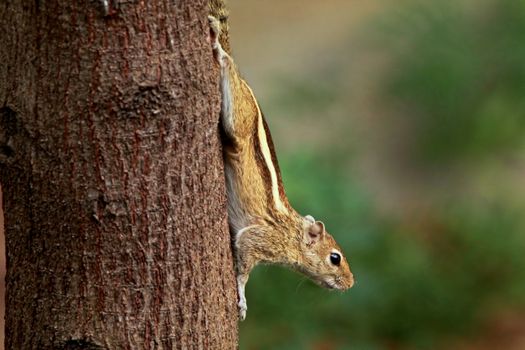
Key Features
Climber Animals boasts a variety of features that set it apart from standard indie fare:
- Unique Protagonist Selection: Choose from four distinct animal climbers, each with biological advantages. The Red Fox has exceptional jumping range and balance. The Snow Leopard possesses raw gripping power and fast dashes. The Pine Marten is small, lightweight, and can fit into tiny crevices. The Golden Eagle can glide across massive gaps but struggles with upside-down climbing.
- Deep Vertical Level Design: Every inch of the Great Pillars is handcrafted. The game features no procedural generation, ensuring that every branch, bird nest, and hidden shortcut is placed with deliberate, expert precision to reward exploration.
- Atmospheric Procedural Audio: The soundscape changes dynamically based on altitude, weather, and time of day. The audio design is heavily reliant on natural sounds—the rustling of leaves, the creaking of ancient wood, and the distant calls of unseen beasts—which creates an unparalleled sense of isolation and immersion.
- Base Building and Nesting: Players can claim abandoned bird nests or hollowed-out sections of the tree to use as checkpoints and safe houses. Here, players can store excess food, craft climbing gear (like grip-strengthening resin or claw sharpeners), and rest safely through the night.
- The "Rooted" Difficulty System: The game features three distinct difficulty tiers. "Sapling" removes survival mechanics, allowing players to focus purely on platforming. "Old Growth" is the standard experience. "Ironwood" is a brutal, permadeath mode where one wrong move or frozen paw sends you back to the forest floor.
- Photo Mode and Bestiary: A built-in camera allows players to document the breathtaking vistas and the incredibly detailed fauna they encounter along the way, filling out a comprehensive bestiary that unlocks lore entries.

Tips for Beginners
Scaling the Great Pillars is an unforgiving endeavor. To survive your first few hours in the Verdant Abyss, keep these practical tips in mind:
- Respect the Rhythm: Do not mash the climb button. Treat climbing like a rhythm game. Establish a steady "reach, grip, pull, secure" tempo. Climbing frantically will drain your stamina four times faster than climbing with deliberate, measured movements.
- Look Down to Go Up: It is tempting to constantly look upward at your destination, but the game often hides the safest paths on the undersides of branches or slightly below your current position. If you hit a dead end, scan the area immediately beneath you.
- Hoard Thermal Items: Cold is your greatest enemy, not hunger. Always keep at least two "Sun-berries" or "Fire-lichens" in your quick-inventory. When you hit the freezing altitudes around the mid-canopy, these will instantly stave off the stamina drain of the cold.
- Don't Ignore the Crafting System: Early on, it seems unnecessary to craft items like "Sticky Sap Salve" (which improves grip on wet surfaces). However, once you hit the rain-slicked upper trunk, having this item equipped is the difference between progressing and falling 500 feet.
- Learn the "Emergency Anchor": If you slip and begin to fall, you have a tiny window (about 0.5 seconds) to slam both triggers simultaneously. This triggers an Emergency Anchor, driving your claws deep into the wood. It drains a massive chunk of stamina and damages your claws, but it will save your life. Practice this until it becomes muscle memory.
- Time Your Pushes for Clear Weather: Before attempting a long, exposed section of climbing without any branches to hide behind, look at the sky. If you see dark clouds gathering or feel the wind picking up, find a hollow in the trunk and wait. Pushing forward during a gale is a recipe for disaster.
- Use the Fox for Your First Playthrough: While the Snow Leopard seems cool, the Red Fox's balanced stats and forgiving jump arc make it the most forgiving character for learning the game's nuanced physics.
FAQ
How long does it take to beat Climber Animals?
A standard playthrough of Climber Animals, focusing purely on reaching the top of Yggdras and completing the main objective, takes roughly 12 to 15 hours. However, if you take the time to explore alternate routes, fully upgrade your nests, complete the bestiary, and uncover all the lore entries hidden in the trees, you can easily spend 30 to 40 hours in the Verdant Abyss.
Is there combat in the game?
Combat is minimal and defensive. You do not engage in traditional brawls. The threats you face—like predatory hawks, aggressive canopy wasps, or territorial arboreal snakes—must be dealt with using evasion, timing, or environmental traps. For example, you can dodge a snake's strike so that it bites a rotting branch, causing it to fall away. You can craft flash-powder to blind a hunting hawk. The game is about outsmarting predators, not fighting them head-on.
Can you climb down the tree?
Yes. Descending is actually a massive part of the game's strategy. Often, you will climb up, realize you missed a crucial crafting resource or a safer route, and have to climb back down. Descending is physically easier on your stamina but is visually disorienting and carries the risk of misjudging a drop. You can also "fast travel" down to any nest you have previously built and rested in.
Does the game have multiple endings?
Yes, Climber Animals features three distinct endings. The ending you receive depends on how thoroughly you explored the tree, how many "Echoes" (ghostly lore fragments) you interacted with, and the choices you make during the final ascent. Without spoiling anything, the endings range from bittersweet to profoundly hopeful, heavily rewarding players who took the time to piece together the history of the Verdant Abyss.
Is there a multiplayer mode?
Currently, Climber Animals is a strictly single-player experience. The developers at Arboreal Interactive have stated that the intense focus, isolation, and pacing of the climb are central to the game's identity, and they felt multiplayer would compromise that atmosphere. However, they have implemented an "Asynchronous Echo" system where you can occasionally see the faint, transparent silhouettes of other real players' climbing routes, which can help you discover hidden paths or warn you of dangerous jumps.