Competitive Team Strategy: Communication and Coordination Mastery
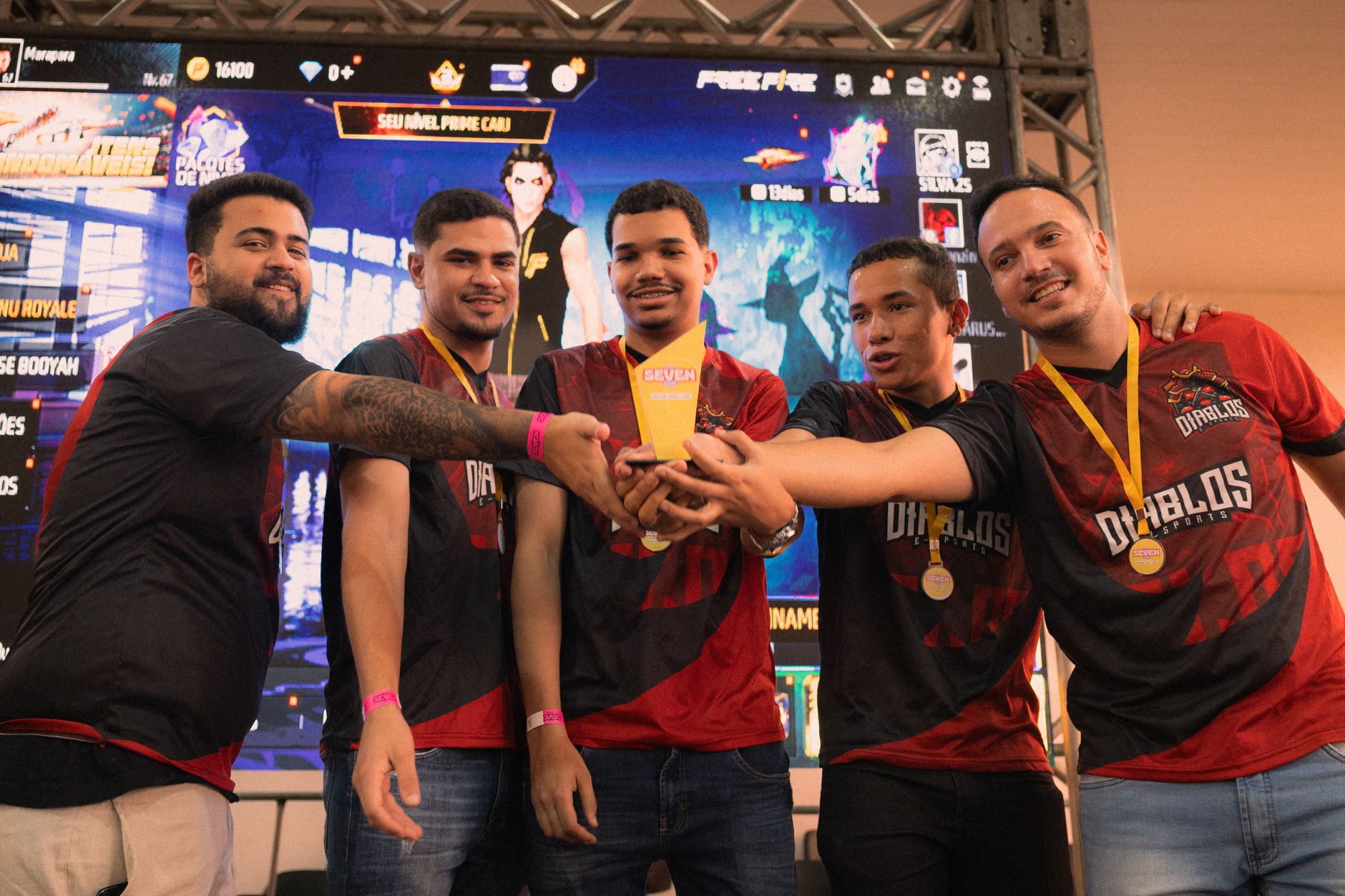
Individual skill only takes you so far in competitive team games. Elite teams distinguish themselves through superior communication, coordinated strategies, and synergistic role execution. This guide covers advanced team concepts that separate good teams from championship-caliber squads.
Communication Hierarchy and Clarity
Effective communication requires structure. Establish a primary shot-caller who makes final decisions during critical moments. This prevents conflicting calls that cause hesitation. However, all players should provide information - the shot-caller synthesizes this information into decisions. Separate information from suggestions: "Enemy flanking left" is information; "We should rotate" is a suggestion.
Keep communications concise and relevant. Avoid cluttering comms with unnecessary chatter during crucial moments. Use standardized callouts for locations and situations that your team agrees on beforehand. After engagements, briefly discuss what happened and adjust strategy, but don't dwell on mistakes during matches. Save detailed analysis for post-game reviews.
Role Synergy and Team Composition
Optimal team compositions balance roles while creating synergies. In most competitive games, you need damage dealers, tanks/frontline, support/utility, and flex players who adapt to situations. But beyond filling roles, look for ability synergies - combinations where abilities enhance each other's effectiveness. A crowd control ability paired with area damage creates devastating combos.
Understand each role's win conditions and how they support each other. Tanks create space for damage dealers. Support players enable aggressive plays through healing or utility. Damage dealers convert advantages into eliminations. When everyone understands their role and how it fits the team strategy, execution becomes natural. Practice team compositions extensively so players internalize their responsibilities.
Macro Strategy and Map Control
Macro play involves strategic decisions about map control, resource allocation, and timing. Control key map areas that provide strategic advantages - high ground, choke points, or objective zones. Understand when to contest objectives versus when to concede and regroup. Sometimes giving up one objective to secure better positioning for the next is optimal.
Track enemy ultimate abilities and cooldowns as a team. Knowing when enemies have powerful abilities available informs your aggression level. Coordinate your team's ultimate usage - don't waste multiple ultimates on one fight when one would suffice. Save combinations for crucial moments. Develop a shared understanding of win conditions for each match phase and adjust strategy accordingly.
Coordinated Execution and Timing
Coordinated plays require precise timing. Establish clear signals for initiating engagements - a specific callout or countdown. Practice set plays repeatedly until execution is automatic. The best teams can execute complex strategies under pressure because they've drilled them extensively. Start with simple coordinated plays and gradually add complexity as team cohesion improves.
Timing windows are crucial. Many strategies only work during specific windows - when enemies are split, when you have ultimate advantage, or when objectives spawn. Recognize these windows and act decisively. Hesitation wastes opportunities. Conversely, forcing plays outside optimal windows often fails. Patience and timing sense separate good teams from great ones.
Adaptation and Counter-Strategies
No strategy works against every opponent. Elite teams adapt based on enemy tendencies. Identify enemy patterns early - do they play aggressive or defensive? Do they favor certain strategies? Adjust your approach to exploit their tendencies. If enemies consistently push one side, set up crossfires there. If they play passive, apply pressure to force mistakes.
Prepare counter-strategies for common tactics. If enemies run a specific composition, have a plan to counter it. This preparation prevents panic when facing unexpected strategies. During matches, communicate what's working and what isn't. Be willing to switch strategies mid-match if your current approach isn't effective. Flexibility is a competitive advantage.
Practice Structure and Team Development
Effective practice builds team cohesion and strategic understanding. Structure practice sessions with specific goals - practicing set plays, working on communication, or drilling specific scenarios. Scrimmage against other teams regularly to test strategies in realistic conditions. Review recordings together, analyzing both successes and failures objectively.
Develop team chemistry through consistent practice. Teams that play together regularly develop intuitive understanding of teammates' tendencies and decision-making. This chemistry allows for implicit coordination where players anticipate teammates' actions without explicit communication. Build trust by supporting each other through mistakes and celebrating successes together.
Mental Resilience and Team Morale
Competitive pressure tests mental fortitude. Maintain positive team morale even when losing. Negative attitudes spread quickly and destroy team cohesion. Focus on controllable factors - your execution, communication, and strategy - rather than blaming teammates or luck. After losses, briefly acknowledge what went wrong, then focus on improvement rather than dwelling on failure.
Develop mental reset routines between rounds or matches. Take deep breaths, shake off mistakes, and refocus on the next play. Celebrate small victories and good plays even in losing efforts. This positive reinforcement maintains confidence and motivation. Remember that improvement is gradual - trust the process and stay committed to team development.
Post-Game Analysis and Continuous Improvement
Elite teams treat every match as a learning opportunity. Record matches and review them together. Analyze decision-making, execution, and communication. Identify patterns in your play - both strengths to leverage and weaknesses to address. Compare your strategies to top teams in your game, understanding why they make certain decisions.
Create action items from reviews - specific things to practice or improve. Track these items and revisit them in future reviews to measure progress. Maintain a team playbook documenting strategies, callouts, and lessons learned. This shared knowledge base ensures consistency and helps integrate new players. Continuous improvement through structured analysis is what transforms good teams into champions.