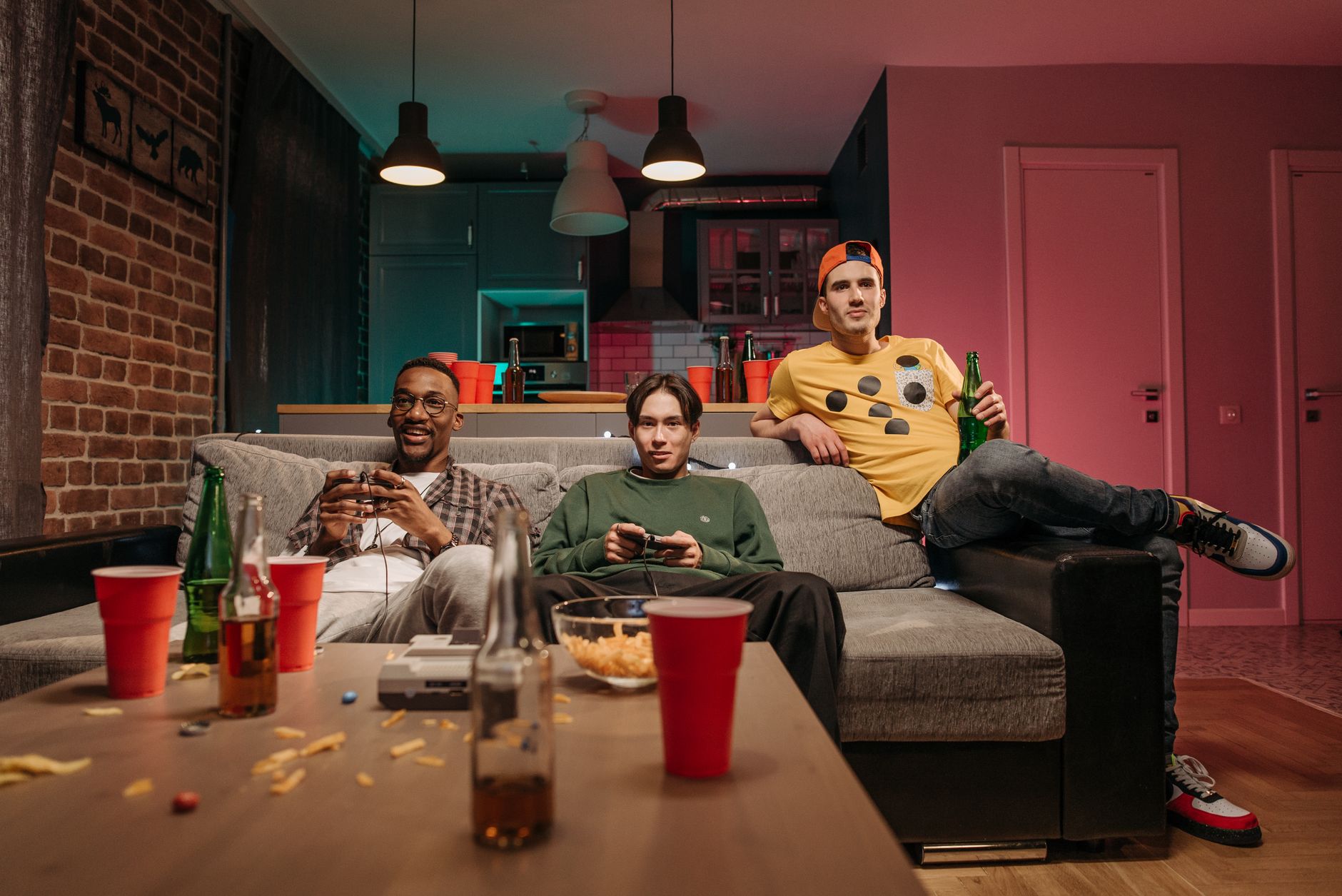
Discord's voice and video calls are now end-to-end encrypted by default—yes, actually now, not "technically since forever" like most users assumed. The platform rolled out its homegrown DAVE protocol across desktop, mobile, browser, and console apps through 2024 and 2025, with the final switch flipped in early 2026. Stage channels remain the lone exception. For everything else—DMs, group calls, server voice channels, Go Live streams—your audio and video now pass through Discord's servers as unreadable noise rather than plaintext.
The Privacy Gap Nobody Noticed
Here's the uncomfortable truth that makes this update land harder than it should: Discord operated for over a decade as the de facto communication backbone of gaming, and most of its users believed E2EE was already running. The platform's 2023 "experiment" with encryption barely registered. Mark Smith, Discord's VP of technology, acknowledged the multi-year migration openly, which is corporate speak for "we know this took too long."
The delay wasn't laziness. Discord's architecture created genuine engineering tension. Server-based voice chat with hundreds of participants, screen sharing at low latency, and cross-platform parity—these features that built Discord's dominance sat awkwardly alongside encryption's computational and bandwidth costs. DAVE, their open-source protocol, had to prove it could handle Discord's scale without the audio dropout or connection fragility that plagues smaller encrypted alternatives.
What most users missed: Discord's prior "encryption" was transport-layer only. Your call data was encrypted between you and Discord's servers, and between Discord and your friend, but Discord itself could access the unencrypted stream. That matters for three reasons. First, legal compulsion—Discord could be forced to hand over call content with a warrant. Second, insider risk—employees with sufficient access could theoretically monitor. Third, breach exposure—a server compromise would expose raw call data rather than cryptographic noise.
The new E2EE removes Discord from the trust boundary entirely. Your devices negotiate keys directly. Discord's servers become dumb pipes forwarding encrypted packets they cannot open.
What Actually Changed and What Didn't
The automatic rollout means zero configuration for standard users. No toggle to hunt, no opt-in ceremony, no verification codes to exchange like Signal demands. This frictionless approach serves Discord's casual userbase but carries a trade-off: you sacrifice the out-of-band verification that hardcore privacy tools provide. You cannot cryptographically confirm that no man-in-the-middle sits between you and your call partner. Discord's infrastructure handles key distribution, which requires trusting their client software isn't lying about those keys.
| Feature | E2EE Status | Practical Impact |
|---|---|---|
| DM voice/video | Fully encrypted | Private from Discord, legally compelled or otherwise |
| Group DMs (up to 10) | Fully encrypted | Same protection, but group size limit applies |
| Server voice channels | Fully encrypted | Major shift—previously server-accessible |
| Go Live streams | Fully encrypted | Screen shares now protected |
| Stage channels | Not encrypted | Public broadcast model; intentional exception |
| Text messages | Not encrypted | Still server-accessible; this is voice/video only |
The Stage channel exception deserves attention. Discord treats these as semi-public broadcasts, more Twitch stream than private conversation. E2EE would complicate moderation and recording features that organizers rely on. If you're planning something sensitive, avoid Stage channels entirely.
Text remains unencrypted. Your message history, including attachments, sits on Discord's servers in readable form. This update changes nothing about chat logs, bot access to messages, or Discord's ability to scan for Terms of Service violations. The scope is deliberately narrow: real-time audio and video streams only.
How to Think About This as a User
For the average gamer, this update changes almost nothing visible. Calls connect the same way. Quality should be indistinguishable—Discord claims DAVE was validated at scale before deployment. The meaningful shift is in threat model reduction.
Consider your actual risks. If you're coordinating a competitive tournament strategy, E2EE prevents Discord from being compelled to reveal your shot-calling. If you're a streamer discussing sponsorship terms, your negotiations now resist corporate espionage through platform access. If you previously avoided Discord for therapy sessions, legal consultations, or whistleblower conversations, this removes one major objection—though Signal still offers stronger verification and smaller attack surface.
The hidden variable: client compromise. E2EE protects data in transit, not endpoints. If your machine runs malware, encrypted calls get decrypted locally for your speakers and screen—malware captures post-decryption. Discord's desktop app is Electron-based, a larger attack surface than native alternatives. Browser use introduces additional trust in your browser's security model. E2EE is not endpoint security.
For server administrators, no action required but awareness matters. Your community's voice channels are now opaque to you in a way they weren't before. Previous tools for call monitoring or recording through bot integrations no longer function for encrypted channels. If you ran compliance or moderation workflows dependent on audio access, those are broken by design.
The Comparison Context
Discord enters a crowded encrypted calling field late but with scale advantages. Signal offers stronger verification, smaller code surface, and encrypted text by default—but lacks Discord's community server architecture and screen sharing quality. TeamSpeak and Mumble provide server-operator-controlled encryption with lower latency for competitive gaming, but their clunky UX relegates them to niche use. Zoom and Google Meet encrypt transit but retain server access for features like cloud recording.
Discord's bet is that good-enough privacy with excellent UX wins over excellent privacy with friction. The automatic, invisible deployment confirms this philosophy. They're not targeting paranoiacs or dissidents. They're securing the casual call between friends who never thought to ask whether it was secure.
What to Do Differently Now
Stop assuming text is private. This update creates a dangerous asymmetry in user intuition—voice feels safer, chat feels unchanged, but the gap between them has widened dramatically. If you wouldn't say it in an unencrypted voice call, don't type it in Discord either. For genuinely sensitive coordination, move to Signal or Session for text, keep Discord for the social layer where its server tools and community features actually matter.
Verify your client stays updated. DAVE's security depends on running current software. Console users on older firmware, mobile users with automatic updates disabled, or desktop users lagging on versions—these create downgrade attack opportunities where an attacker forces connection through older, weaker protocols.
And if you're running a community where privacy matters, audit your channel types. Stage channels for public events, standard voice channels for sensitive discussions. The distinction is now cryptographic, not merely social.