Dota 2 Wiki - Complete Guide
Overview
Dota 2 is a competitive multiplayer online battle arena (MOBA) game developed and published by Valve. It is the standalone successor to the original Defense of the Ancients mod and one of the most influential competitive PC games ever made. At its core, Dota 2 is a team strategy game where two groups of five players clash on a symmetrical map, each trying to destroy the enemy team’s main structure, the Ancient.
The game officially launched in 2013 after a long beta period and has remained a live-service title with frequent gameplay updates, hero reworks, map changes, and seasonal events. Unlike many competitive games, Dota 2 gives every player access to the full hero roster from the start. Monetization focuses on cosmetics, battle passes, and optional content rather than locking gameplay power behind purchases.
Dota 2 is available on Windows, macOS, and Linux through Steam, with full mouse-and-keyboard controls designed around precision, quick decision-making, and team communication. There is no official console version, and while Steam Deck users can launch it, the game is fundamentally tuned for traditional PC play due to its complexity and interface depth.
Genre-wise, Dota 2 sits inside the MOBA category but also borrows heavily from real-time strategy design. Players manage economy, map control, vision, cooldowns, objective timing, and teamfight execution all at once. Matches are highly dynamic and can swing dramatically based on strategic calls, item timings, or a single high-impact engagement.
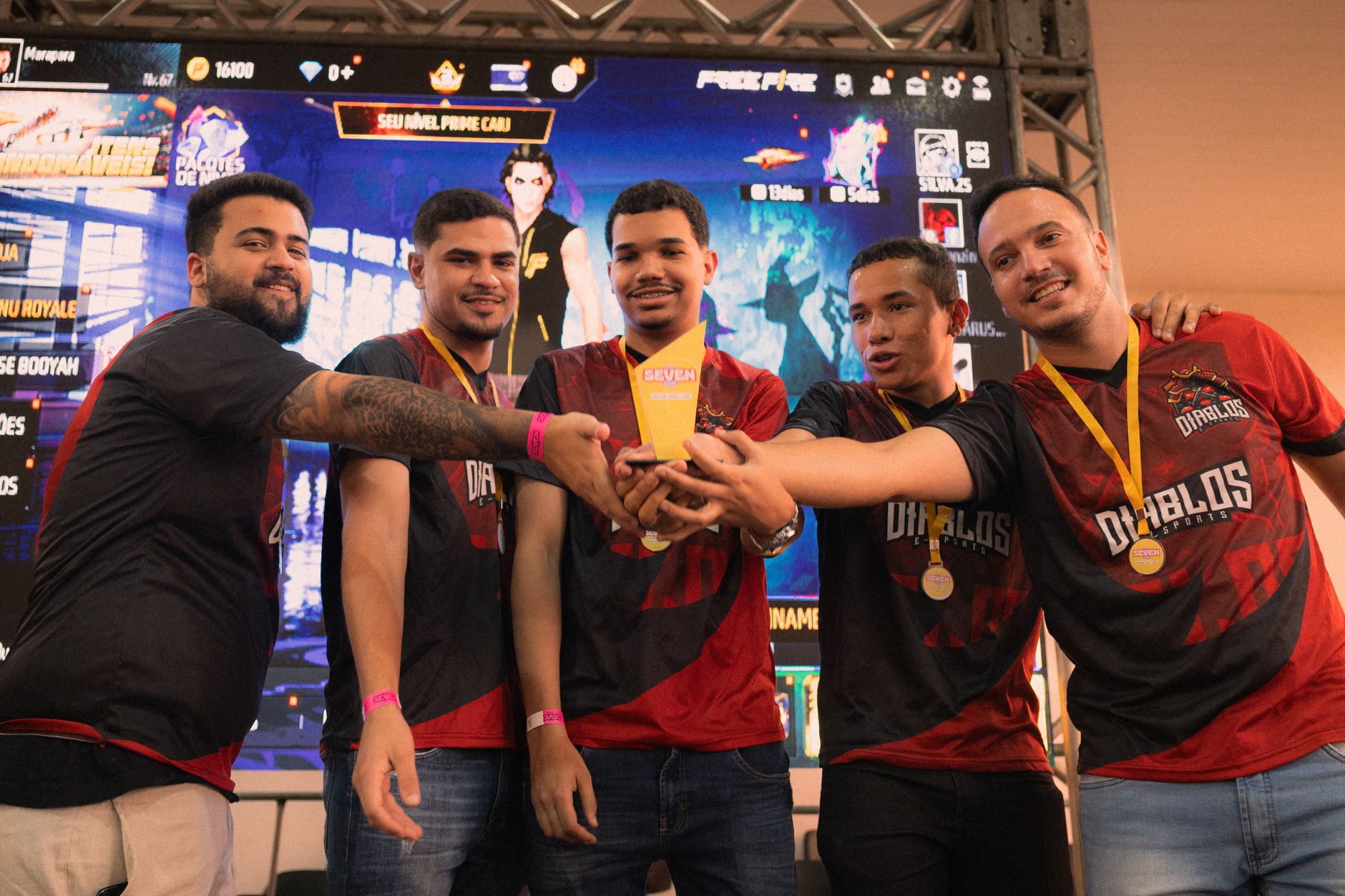
Dota 2 is also a major esports title. Its tournament scene includes regional leagues, international events, and The International, one of the most famous championships in gaming. The game’s spectator tools, replay system, and professional ecosystem have helped build a deep strategic culture where players constantly analyze patches, draft trends, and role innovations.
What sets Dota 2 apart is depth. It is widely considered challenging to learn but extremely rewarding to master. Every match combines mechanical skill with long-term planning, and there is rarely one “correct” way to win. Different heroes, item builds, and tactical approaches can all be viable depending on team composition and in-game adaptation.

Gameplay Mechanics
Match Structure and Win Condition
Each standard match features two teams: Radiant and Dire, with five players per side. The map has three main lanes (top, middle, bottom), separated by jungle areas filled with neutral creeps. To win, your team must break through enemy defenses and destroy their Ancient.
Defensive progression follows a layered structure: outer towers, inner towers, high-ground towers, barracks, and finally the Ancient area. Destroying barracks in a lane upgrades your lane creeps, creating long-term pressure. Taking objectives in the right order is central to strategic play, especially when deciding whether to group for pushes or spread out for farm.
Heroes, Roles, and Drafting
Dota 2 has a large roster of heroes, each with unique abilities, stat growth, and playstyle identity. Heroes are generally categorized into broad roles:
- Carry (Position 1): Scales hard with gold and levels, often becoming the primary late-game damage dealer.
- Midlaner (Position 2): Gains solo experience in mid lane and often dictates early tempo through ganks or objective pressure.
- Offlaner (Position 3): Durable initiator or utility core that creates chaos and frontline control.
- Soft Support (Position 4): Roaming playmaker that secures vision, rotates, and sets up kills.
- Hard Support (Position 5): Protects cores early, buys team utility, and anchors warding and defensive structure.
Before the match begins, teams draft heroes in a ban-and-pick phase (in many modes). Drafting is strategic: players consider lane matchups, teamfight synergy, objective damage, crowd control, scaling, and counters. A strong draft does not guarantee victory, but it shapes the tools your team has access to.
Economy: Gold, Experience, and Itemization
Dota 2’s economy is one of its defining systems. Players gain gold and experience primarily through killing lane creeps, neutral creeps, enemy heroes, and objectives. Efficient farming and map movement are crucial because item timing windows often decide fights.
Last-hitting enemy creeps grants reliable gold, while denying your own creeps reduces enemy experience and can disrupt lane control. This deny mechanic adds a unique layer to laning compared to many other MOBAs. Players balance aggression with resource collection while trying to avoid deaths that give the enemy comeback gold and map momentum.
Items in Dota 2 are transformative. Many are not just stat boosts but tactical tools: mobility jumps, spell immunity windows, hard dispels, saves, healing bursts, disables, and vision tricks. Correct itemization depends on game state. A defensive pickup to survive one key enemy combo can be more valuable than raw damage.
Abilities, Talents, and Power Spikes
Each hero has multiple abilities and an ultimate, with level-based skill progression. Many heroes experience strong power spikes at specific levels or item completions. Recognizing these timing windows helps teams decide when to fight, when to avoid conflict, and when to force objectives.
At certain levels, heroes choose from talent options that customize stats or ability behavior. Combined with items and Aghanim upgrades, this creates build flexibility. The same hero can be played in different ways depending on patch balance and team needs.
Map Control, Vision, and Objectives
Dota 2 rewards teams that control information. Vision is provided through observer wards, sentries, hero abilities, and unit positioning. Denying enemy vision is as important as placing your own. Good warding supports offensive plays, protects farming patterns, and helps avoid surprise initiations.
Key map objectives include towers, barracks, and neutral bosses like Roshan, who drops powerful rewards such as the Aegis of the Immortal. Securing Roshan can enable high-ground pushes or create safe windows for risky fights, since Aegis gives one hero an extra life.
Modern Dota also includes map resources and neutral objectives beyond lanes, such as runes and jungle incentives that influence tempo. Teams constantly choose between farming, fighting, and controlling map points. Strong macro play means making the right trade at the right time, not just winning direct confrontations.
Teamfights, Crowd Control, and Execution
Large 5v5 clashes are a hallmark of Dota 2. Teamfights involve layered initiation, positioning, cooldown tracking, and target priority. Crowd control in Dota is powerful and varied: stuns, silences, roots, fears, taunts, banishes, and more. Proper usage can neutralize even farmed enemy cores.
Execution is often about sequencing. One hero starts the fight, another follows with area control, supports keep cores alive, and carries commit damage once key defensive spells are baited out. Buying back after death can also swing late-game engagements, adding one more strategic layer to objective defense and base races.
Because of this complexity, Dota 2 matches can remain uncertain for a long time. Teams behind in net worth can recover through superior vision, smoke ganks, split pushing, or punishing overextensions. Comebacks are common, which keeps match tension high from start to finish.

Story & Setting
Dota 2 does not follow a single linear campaign, but it has an extensive fantasy universe built through hero lore, voice lines, item descriptions, events, and related media. The central thematic conflict is tied to two cosmic forces: the Radiant and the Dire, often associated with the game’s two ancients. Their influence reaches across civilizations, corrupting, empowering, or manipulating beings in different ways.
The world is a patchwork of kingdoms, hidden orders, cursed lands, ancient ruins, and interdimensional threats. Heroes come from radically different origins: disciplined knights, rogue inventors, elemental spirits, demons, undead monarchs, celestial entities, martial artists, and creatures from realms beyond ordinary reality. This diversity is why the roster feels stylistically broad while still fitting the same mythic battlefield.
Rather than presenting one “main protagonist,” Dota 2 treats heroes as powerful actors whose stories overlap. Rivalries, alliances, betrayals, and family ties appear across character backgrounds and in-game interactions. Certain heroes directly reference each other through unique dialogue, hinting at shared history and unresolved conflicts.
The setting balances serious high-fantasy stakes with dark humor and personality. Some heroes are tragic or terrifying, while others are eccentric, sarcastic, or theatrical. This tonal mix gives the game a distinctive identity: epic in scale, but never afraid of character quirks.
Valve has expanded this universe through seasonal events, comics, and animated storytelling that explores major characters and factions. None of this is required to enjoy regular matches, but for players who want deeper context, there is plenty of lore to uncover. Importantly, gameplay comes first: narrative enhances the experience without restricting competitive clarity.
For new players, the key thing to know is that story in Dota 2 is modular. You can engage with as much or as little lore as you want. If you only care about mechanics and ranked play, that path is fully valid. If you love worldbuilding, every hero profile can open a door into a larger tapestry of conflicts and legends.

Key Features
- Full hero access for all players: Dota 2’s complete hero roster is available without gameplay paywalls, which supports competitive fairness and experimentation.
- Deep strategic complexity: Drafting, laning, itemization, vision control, and objective timing create a high skill ceiling with meaningful decision-making at every stage.
- Highly impactful items: Items function as tactical tools, not just stats, enabling dramatic outplays through mobility, protection, disables, and utility interactions.
- Dynamic match flow: Games can swing through teamfights, buybacks, Roshan fights, split pushing, and map control changes, making comebacks genuinely possible.
- Frequent live updates: Balance patches, gameplay reworks, and seasonal systems keep the meta evolving and prevent long-term stagnation.
- Strong esports ecosystem: Dota 2 supports a global professional scene with major events, detailed spectating features, and a large analysis culture.
- Advanced replay and learning tools: Match replays, stat tracking, hero guides, and community resources make self-improvement practical for dedicated players.
- Distinct hero identities: Each hero has unique mechanics and personality, leading to wide stylistic diversity in both casual and competitive play.
- Team-centric design: Coordination, communication, and role understanding are core to success, making victories feel earned rather than accidental.
- Long-term mastery appeal: Even veteran players continue learning because patch changes and strategic trends constantly reshape optimal play.

Tips for Beginners
- Start with a small hero pool: Pick 3 to 5 beginner-friendly heroes for one role and focus on consistency. Learning fundamentals on familiar heroes is far more effective than switching every game.
- Prioritize last hits over random fighting: Early gold matters more than flashy skirmishes. If you can reliably farm lane creeps and avoid unnecessary deaths, your game quality improves quickly.
- Use the minimap every few seconds: Map awareness prevents avoidable deaths. If multiple enemy heroes are missing, play safer until you know where pressure is coming from.
- Buy practical items, not just damage: Survivability and utility often win more games than greed. Items that help you escape, dispel disables, or protect teammates can change entire fights.
- Respect objectives and timings: A kill is only valuable if it leads to something concrete like a tower, Roshan, vision control, or safer map access. Learn to convert advantages into objectives.
- Communicate clearly and calmly: Short, useful pings and simple calls like “Roshan,” “smoke,” or “defend high ground” are better than argument-heavy chat. Team morale has real gameplay impact.
- Review one replay habit at a time: Don’t try to fix everything at once. After each match, check a single issue such as lane deaths, farming efficiency, or late teleport reactions, then improve that specific habit.
Beginner progression in Dota 2 is non-linear. Some games feel great, others feel overwhelming. That is normal. The fastest improvement usually comes from repeating solid basics: safer positioning, better resource collection, cleaner spell usage, and smarter objective decisions. Mechanical skill matters, but decision quality matters even more over large sample sizes.
FAQ
Is Dota 2 free to play?
Yes. Dota 2 is free to download and play on Steam, and all heroes are available to everyone. Optional purchases are mostly cosmetic (such as skins, effects, and voice lines) and do not grant direct gameplay power in standard matchmaking.
Is Dota 2 pay-to-win?
No, not in the usual gameplay sense. Spending money does not unlock stronger stats or exclusive competitive advantages. Success depends on game knowledge, mechanics, teamwork, and adaptation to the current patch.
How long does a typical match last?
Most standard matches run roughly 30 to 50 minutes, though shorter stomps and longer late-game marathons both happen. Turbo mode offers faster pacing, while ranked all-pick generally follows the traditional full-length strategic structure.
Can I play Dota 2 solo, or do I need a full team?
You can absolutely queue solo. Matchmaking supports solo players in both unranked and ranked modes. That said, playing with friends can improve coordination and reduce communication friction, especially while learning roles and timings.
Is Dota 2 beginner-friendly in 2026?
Dota 2 is more approachable than it used to be thanks to tutorials, in-client guides, role queue systems, and community educational content, but it is still a difficult game. New players should expect a learning curve. The best approach is to play regularly, keep expectations realistic, and focus on steady improvement instead of instant results.
For most newcomers, the first major milestone is understanding why things happen rather than just reacting to them. Once you can identify power spikes, dangerous map zones, and objective windows, the game becomes much more readable and enjoyable.