Master the first hours of RGG Studio's historical Yakuza origin story with this practical beginner guide covering priorities, mechanics, and mistakes to avoid.
Stranger Than Heaven isn't just another Yakuza prequel—it's the origin story RGG Studio has spent decades building toward. Following Makoto, a man of mixed heritage returning from America, the game spans 50 years of Japanese history as he rises from street-level enforcer to founding the Tojo Clan alongside his friend Yu Shinjo. The first few hours matter more than most players realize. This guide assumes you're starting from zero and want to avoid the mistakes that slow down early progression.
What Is Stranger Than Heaven?
Stranger Than Heaven is RGG Studio's new historical crime drama and the canonical origin story for the Tojo Clan—the central crime family analog of the Yakuza series. The game follows Makoto for 50 years as he leaves behind his mixed heritage in America, becoming a notorious gang member and showman in Japan. Makoto fights to carve out a place "for people with nowhere else to go," which is the kind of underdog criminal with a heart of gold story that the series has always been built on.
RGG has pulled in famous faces from Snoop Dogg to Dean Fujioka to take on central roles in a story with all the melodramatic tear-jerking for found family and brotherhood that the series is known for. The codename from prior to its reveal was Project Century—fitting for a game that covers half a century of Japanese history.

Release Date and Platform Information
The Stranger Than Heaven release date will be "this winter," according to RGG Studio head Masayoshi Yokoyama. This implies a launch before the end of 2026, though publishers sometimes stretch "winter" into early the following year.

Characters and Story Setup
The narrative centers on two core figures:
- Makoto — The founder of the Tojo Clan and protagonist. A man of mixed heritage who spent formative years in America before returning to Japan.
- Yu Shinjo — Makoto's close friend and fellow showman-gangster who rises alongside him through mid-century Japan.
The story charts their rise to power as showmen and gangsters, with the kind of melodramatic found-family storytelling the series is known for.

Understanding Makoto's Role and Combat Approach
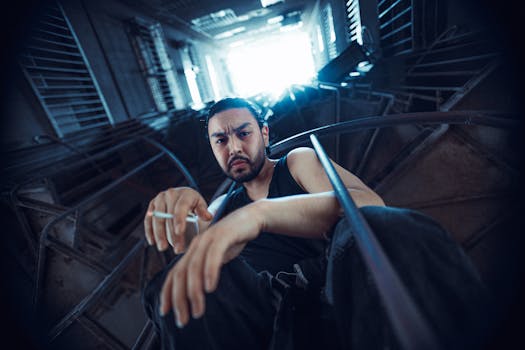
Makoto isn't a traditional protagonist. He spent his formative years in America, returning to Japan with fighting skills that don't fit neatly into any school. This manifests mechanically as a flexible combat system where Makoto can adapt his approach depending on enemy type.
Most beginners stick with one approach and wonder why fights feel sluggish. The trick: adapt your style to the situation. Against groups, favor wider, more aggressive attacks; against heavy enemies, use more disciplined, counter-focused tactics. The timing window for these shifts is tight—practice in the opening sequences until adaptation becomes muscle memory.
First-Hour Priorities: What Actually Matters
Here's what separates players who hit hour five feeling powerful from those stuck grinding early missions:
- Don't skip substories. The first district contains substories that unlock combat options and reliable income sources. Skipping them means fighting harder for every early boss.
- Visit the equipment shop immediately. Your starting gear is adequate but unupgraded. A minor investment in offensive gear pays dividends in the first major fight.
- Talk to Yu Shinjo after each story beat. He provides context that the game doesn't force-feed you, and his dialogue often hints at optional objectives worth pursuing.
- Complete the dojo introduction. It unlocks training exercises that are the fastest way to earn skill points outside story missions.
The common mistake is rushing toward the first major story mission (typically available around the 45-minute mark). Players who ignore preparation find themselves under-leveled and under-geared, forcing tedious restarts or frustrating difficulty spikes.
Core Mechanics and Progression
Heat Actions: Your Most Valuable Resource
Heat actions aren't flashy extras—they're the core damage system. Regular attacks chip away at enemy health and posture, but heat actions deliver the finisher. Early in the game, you'll encounter a dojo trainer who offers initial heat actions. Choose a group-control option first.
Why prioritize group control? It knocks down multiple enemies, creates breathing room during group fights, and builds heat quickly. Precision-focused alternatives require timing that beginners haven't developed yet. One mistimed counter in the first major fight teaches this lesson painfully.
Posture System: The Hidden Health Bar
Every enemy has a posture meter beneath their health bar. Deplete it, and they stumble—vulnerable to a heat action finisher. Your own posture breaks when you take too many hits without dodging or blocking.
A counter ability from the skill tree is critical early. It costs minimal skill points and lets you interrupt enemy combos with proper timing. Without it, group fights become attrition battles you will lose. Prioritize unlocking a counter before touching advanced offensive skills.
Money and Economy in the First Hours
Stranger Than Heaven introduces a subtle economy shift from previous entries. Money comes primarily from substories and side activities, not story missions. Early substories pay modest amounts—enough to upgrade one piece of equipment or buy healing items.
Don't hoard money. The game has no late-game money sink that makes early saving worthwhile. Spend on gear upgrades and healing items. Hold only enough for emergency repairs.
Beginner Mistakes to Avoid
Mistake #1: Ignoring the Training Dojo
Players treat the dojo as optional. It's not. Those training exercises are the only reliable skill-point source before chapter two. Completing all basic exercises in the first hour gives you multiple skill points—enough for core survival abilities and one offensive upgrade.
Mistake #2: Fighting Every Enemy
Random encounters in the starting district are deliberately tough. They exist to teach you when to fight and when to run. Some enemies have level advantages you'll only overcome after story progression. The game signals this with enemy health bar indicators—pay attention to relative strength warnings.
Mistake #3: Neglecting NPC Conversations
The game uses NPC dialogue to mark objectives. Players who ignore speaking to every marked character miss optional bosses, hidden substories, and equipment locations. The UI marks interactive NPCs with subtle indicators—don't overlook them.
Build and Settings Guidance
For your first playthrough, this distribution works across most playstyles:
| Priority | Skill Type | Why |
|---|---|---|
| 1 | Counter ability | Essential survival in group fights |
| 2 | Heat generation | Enables frequent heat actions |
| 3 | Group control attack | Crowd management and damage |
| 4 | Posture-break follow-up | Capitalize on staggered enemies |
| 5 | Evasion upgrade | Dodge through enemy combos |
For settings, enable subtitle scaling if you play on a smaller screen. The historical setting uses period-accurate Japanese that may require reference—having readable subtitles prevents pausing constantly. Turn aim assist on for ranged sequences; the default aiming is unforgiving.
Difficulty Settings
The game includes multiple difficulty levels: a 'Story' option for narrative-focused players, standard 'Action' for regular challenge, and 'Legend' for veterans seeking punishing combat. First-time players should start on standard difficulty—it's calibrated for learning the systems without excessive frustration.
Clear Next-Step Guidance
After your first session, you should have:
- Unlocked counter and heat-generation abilities from the skill tree
- Completed at least two substories in the starting district
- Upgraded your weapon or armor once
- Reached the first story mission (typically around the 45-minute mark)
If you've done all of this, you're ahead of the curve. The next session should focus on the second district's substories and the first major boss encounter—which requires both the counter ability and decent gear to survive.
The game opens up significantly after the first major story mission. That's when the real breadth of side content becomes available, and being prepared means you can engage with it rather than grinding to catch up.
Frequently Asked Questions
- When does Stranger Than Heaven release?
- RGG Studio has confirmed a 'this winter' release window, implying a launch before the end of 2026.
- Do I need to play other Yakuza games first?
- No. Stranger Than Heaven is a standalone origin story set decades before Yakuza 0, so new players can jump in without prior series knowledge.
- What's the best starting approach for Makoto?
- Focus on balanced survival skills early—invest your first skill points into a counter ability and heat generation to survive difficult early encounters.
- Are there difficulty settings?
- Yes. The game includes options ranging from story-focused difficulty to punishing challenge modes for veterans.
Final Tips for New Players
Stranger Than Heaven rewards methodical preparation over rushing. The 50-year scope means the opening hours establish patterns that repeat and deepen across decades of in-game time. Build good habits early: talk to everyone, complete substories before major story beats, and spend money on immediate upgrades rather than hoarding. Makoto's journey from outsider to crime lord founder is designed to make you feel the weight of that transformation—and starting strong ensures you'll experience it as intended.