House Flipper 2 ditches the restrictive job queue of the original game. Developed by Frozen District, this sequel introduces a living town, a narrative career, and a dedicated building sandbox. You clean, demolish, design, and sell properties with significantly upgraded physics and visual fidelity.
The Core Gameplay Loop Relies on Buyer Profiles and Profit Margins
Flipping houses in this sequel is not just about making rooms look pretty. Every renovation targets a specific buyer type with rigid preferences. Ignoring these details tanks your profit.
How do buyer profiles affect your renovation strategy?
Before accepting a job, check the buyer profile. A "Family" buyer requires bedrooms, a kitchen, and a bathroom. A "Single" buyer might prioritize a massive living space and home office. If you spend your budget building a luxury spa for a family, you will lose money on the final sale. The game calculates a percentage-based profit based on how closely your design matches the requested layout.
This system forces actual planning. You cannot just tile every surface and expect a payout.
What exactly changed in the cleaning and building mechanics?
The familiar mop and spray painter return, but they feel entirely different. Dirt now has depth. You scrub layered grime rather than triggering a flat decal clean. Painting uses a realistic spray radius that bleeds onto adjacent walls if you aren't careful.
- Demolition: Walls come down in chunks. You can smash individual segments to create custom archways.
- Building: The grid system is forgiving. You can easily adjust wall lengths and swap floor tiles mid-placement without canceling the whole action.
There is a slight learning curve. Your first few paint jobs will likely have ugly overlap lines on the ceiling corners.
Career Mode Puts You in a Rivalry Inside Pinnacled Heights
You are not just a nameless contractor anymore. Career Mode drops you into Pinnacled Heights, a coastal town divided into distinct neighborhoods. A rival flipping company operates alongside you, creating a loose but engaging narrative.
How does progression work in the Career Mode?
Progression is strictly linear at first. You must complete specific story jobs to unlock new map regions and tools. Early jobs act as extended tutorials, forcing you to use the hammer, mop, and plaster tools before letting you loose.
As you complete jobs, you earn two currencies: * Cash: Used to buy your own properties or purchase furniture. * Perk Points: Spent on passive upgrades like faster cleaning or increased stamina.
Do not waste early Perk Points on stamina. The stamina drain is negligible once you upgrade your movement speed.
Can you buy and flip your own houses during the campaign?
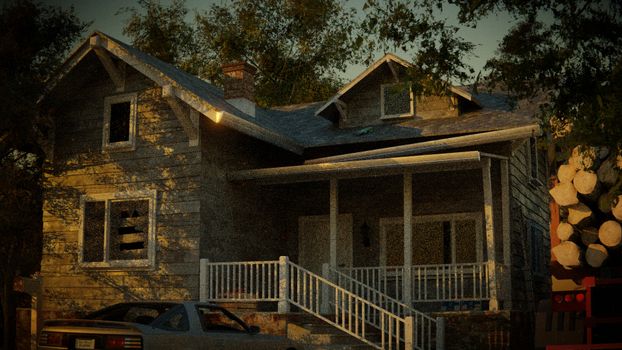
Yes, but it unlocks later. Initially, you only work on client jobs. Once the game opens up, you can purchase abandoned lots on the map, renovate them using your own materials, and sell them on the open market. This is where the real money is made, but it requires a massive upfront cash investment.
Sandbox Mode Is Where the Real Freedom Lives
If you just want to build without financial pressure, Sandbox Mode is the answer. It removes all money restrictions and buyer requirements, giving you access to an empty plot of land and unlimited resources.
What can you actually build in the Sandbox Mode?
You build from scratch. You lay foundations, frame exterior walls, and construct multi-story buildings. The toolset in this mode is surprisingly deep. You can manipulate terrain, plant massive forests, and pave roads.
However, the interior item placement is identical to the main game. You are still working with the same catalog of couches, toilets, and light fixtures. The magic is in the architecture, not the interior decoration variety.

Beginner Tips to Avoid Early Financial Ruin
Wasting money on bad renovations in the first three hours will stall your progression. The game does not heavily penalize you, but it makes earning cash a grind if you mess up.
- Sell off starter furniture: When you clean out a trashed house, immediately use the sell button on the existing junk. It funds your initial cleaning supplies.
- Do not over-renovate: If a buyer wants a "Modern" look, buy the cheapest modern items. Expensive items do not yield exponentially higher profits; they just cost you more.
- Check the required rooms: Forget the flair. Build the exact number of bedrooms and bathrooms requested first. If you have budget left, add the extras.
- Use the "Clean All" option wisely: The bulk clean feature is fast, but it can sometimes glitch and leave tiny spots. Do a manual sweep afterward to ensure the room registers as 100% clean.
Frequently Asked Questions About House Flipper 2
Is House Flipper 2 a massive graphical upgrade over the first game?
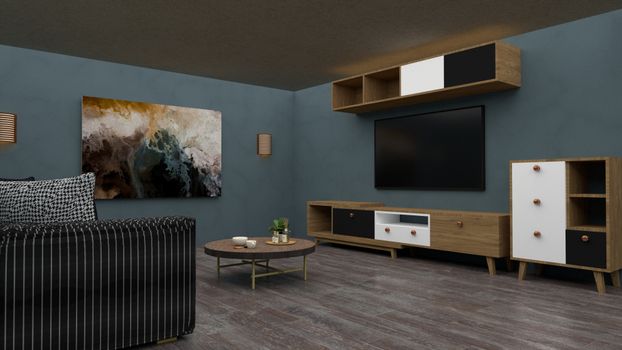
Yes. It runs on Unreal Engine 5. Lighting, shadows, and textures are vastly superior. You can see individual dust particles in the light beams. It is one of the best-looking simulator games on the market right now, though it does demand a decent GPU.
Can you import your save data from House Flipper 1?
No. House Flipper 2 is a clean slate. You do not carry over money, perks, or properties. However, owning the first game grants you a few exclusive in-game items and a unique safe house location in Pinnacled Heights.
Does the game support mods?
Official mod support is limited at launch compared to the first game's massive Steam Workshop library. Frozen District has stated they plan to integrate full Steam Workshop support, but right now, the modding scene is still in its early days.
Is there multiplayer or co-op?
No. House Flipper 2 is a strictly single-player experience. If you want to renovate with friends, you have to stick to the original House Flipper's multiplayer mode.
Why House Flipper 2 Stands Out in the Simulator Genre
Most simulator games stagnate by releasing identical sequels with a fresh coat of paint. House Flipper 2 actually fixes the fundamental frustrations of the original. The restrictive grid is gone. The repetitive job queue is replaced by an explorable town. The addition of a building sandbox adds infinite replayability.
It respects your time. Jobs feel distinct because the underlying properties and buyer requirements vary enough to force creative problem-solving. Whether you want a relaxing afternoon of virtual cleaning or a complex architectural project, the game accommodates both extremes without compromise.
For more details on the developer's roadmap, visit the official PlayWay S.A. publisher page.