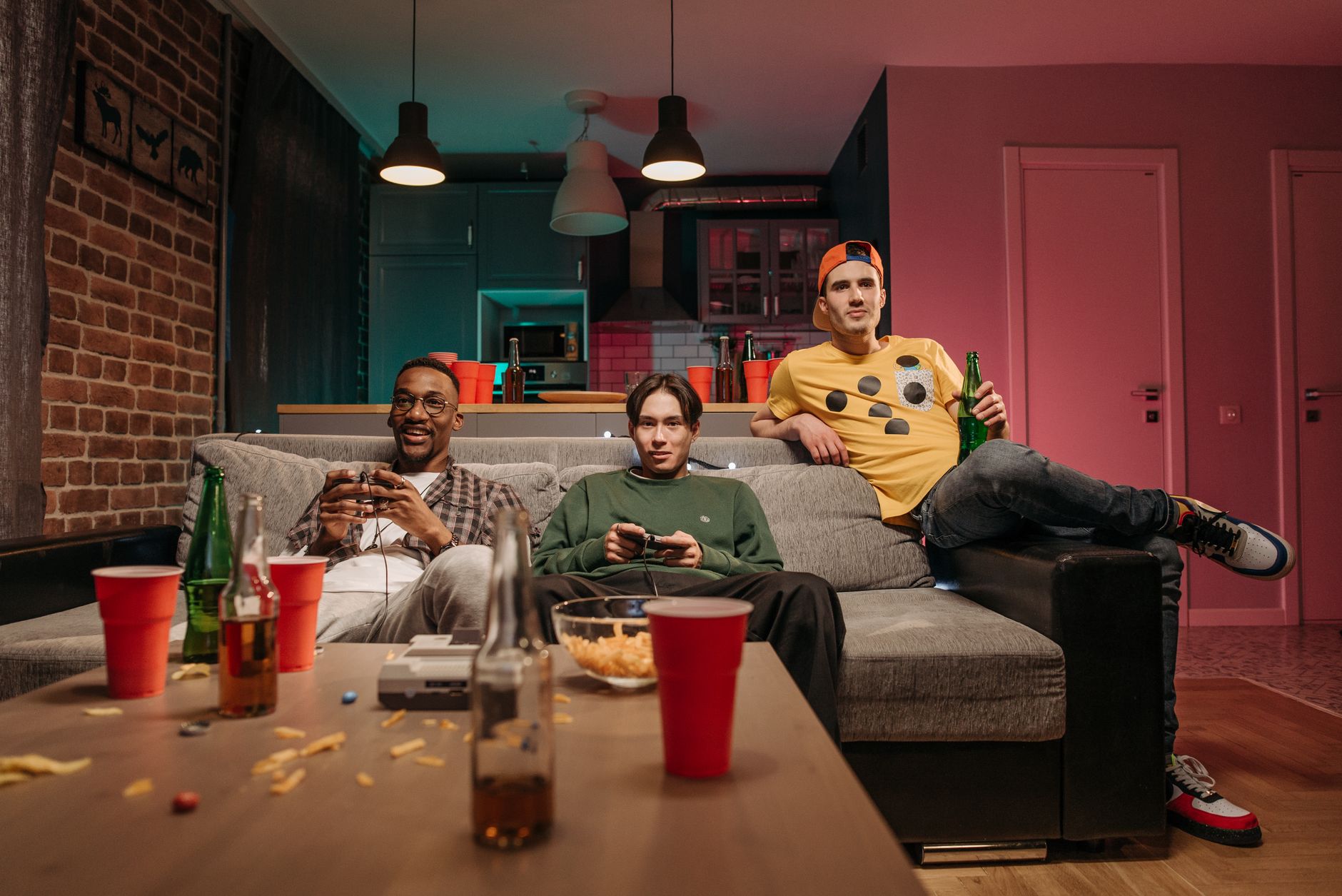
Outward 2 will run on hardware so old it hurts. A GTX 750 Ti and 8 GB of RAM gets you 30 FPS on "potato" settings, and the developers went out of their way to prove it with a literal talking potato in their marketing. That's not charity—it's a survival RPG that knows its audience. The original Outward built its cult following on janky, ambitious co-op adventure, not visual spectacle. Nine Dots Studio is betting that players who stuck with them through the first game's rough edges care more about systems that bite back than ray-traced reflections.
What Outward 2 Actually Is (And Why The Potato Thing Matters)
The first Outward was a weird bird. Drop into a world with no map markers, no level scaling, and a backpack so heavy it physically slows your character. Die? You might wake up enslaved, or dragged to a cannibal's cave, or simply left for dead in a blizzard. It was punishing, opaque, and genuinely novel in how it treated survival mechanics as narrative events rather than hunger meters ticking down.
Outward 2 doubles down. Early access launches July 17, and the studio's "potato PC" trailer isn't just a flex about optimization—it's a statement of values. Maximum settings demand an RTX 4080 and 32 GB RAM. But the gap between "max" and "potato" is deliberately narrow in terms of playable experience. The trailer shows the low-end build still holding visual coherence: readable environments, distinct enemy silhouettes, weather that actually matters to gameplay.
Here's the hidden variable most coverage misses: optimization philosophy shapes game design. When your engine must render playable states on a seven-year-old GPU, you can't rely on visual clutter to create "immersion." You need systems that communicate through behavior, not bloom lighting. Outward's weather isn't pretty—it's deadly. Night isn't atmospheric—it's functionally blind without preparation. The potato settings prove these systems work without cosmetic assistance.
The trade-off is asymmetrical. Players on modern hardware get prettier versions of the same readable world. Players on old hardware get identical mechanical risk. Compare this to survival games where low settings strip away foliage that actually hides resources, or where draw distance determines whether you spot predators in time. Outward 2's flat performance curve means system requirements become preference, not gatekeeping.
For new players, this matters because the genre has a hardware anxiety problem. Valheim, Subnautica 2, even Palworld—each launched with "will it run?" as a genuine purchasing barrier. Outward 2 removes that decision entirely. The question becomes whether you want the experience, not whether your machine qualifies.
The Loops That Define The Experience (And Where To Start)
Outward 2's core loop hasn't changed: prepare, travel, survive the surprise, recover, repeat. But "prepare" in this game means something specific and easily misunderstood. Your inventory is physical. Items occupy grid space, have weight, and must be manually arranged. A sword on your back is accessible in combat. That same sword in your pack requires opening the inventory—deadly when a hyena pack ambushes your campfire.
The first decision that separates struggling players from thriving ones: backpack management is character building. New players obsess over weapon stats. Veterans obsess over what they can afford to leave behind. Water, food, bedroll, cooking pot, a few healing items, and one weather-appropriate outfit layer. Everything else is situational. The hidden cost of overpacking isn't just slower movement—it's slower stamina regeneration, which means slower combat recovery, which means more healing items consumed, which means heavier pack weight. Death spiral, literal and mechanical.
Combat itself remains deliberately clunky. No lock-on. No i-frames on dodge. Weapons have commitment animations that demand spacing and timing. This reads as "bad" to players coming from Souls-likes, but the design intent is different: combat is dangerous and should be avoided or prepared for, not mastered as expression. The skill ceiling lives in preparation—traps, buffs, terrain, co-ordination with a partner—not in mechanical execution.
Co-op is where the game transforms. Solo Outward is methodical, sometimes punishing. Duo Outward is emergent chaos, the good kind. One player cooks while the other guards. One carries the tent, the other the lantern oil. Split responsibilities mean split risk, but also split attention—communication failures become story events. The potato settings matter doubly here: two players on old hardware can still share the experience without one person's rig dictating session feasibility.
For returning players, early access means systems in flux. The original game changed substantially post-launch, with DLCs adding new regions and reworking magic. Entering Outward 2 now means accepting impermanence—characters, progress, even mechanics may shift. The rational approach: treat early access as extended tutorial. Learn the new skill trees (expanded from the first game's more limited sets), experiment with the reworked magic system (less "blood sacrifice," more environmental interaction), but don't commit to completionist goals. Your first character is disposable by design.

Trade-Offs And Misconceptions Before You Buy
The biggest misconception: Outward 2 is a "chill" survival game. The marketing emphasizes exploration and co-op adventure. The reality is systemic hostility. Weather kills. Disease kills. Sleeping in the wrong place kills. The original game's "defeat scenarios"—what happens instead of reload screens—return, and they're not merciful. You will lose progress. You will lose items. The question is whether that loss generates interesting recovery stories or pure frustration.
This creates an asymmetric player fit. If you derive satisfaction from preparation paying off, from barely surviving a bad decision through smart inventory choices, Outward 2 rewards like few peers. If you want power fantasy, steady character growth, or combat mastery as self-expression, the game actively resists you. Not through difficulty for difficulty's sake, but through design philosophy: the world is indifferent, and your character remains fragile.
Another hidden variable: time investment versus session structure. Outward 2's travel is slow. No fast travel, or extremely limited. A journey to a distant region consumes real hours, with camping, hunting, and weather delays. This is immersive or tedious depending on your available play pattern. Two-hour sessions feel interrupted. Four-hour sessions find rhythm. The potato settings help here indirectly—shorter load times on any hardware, stable performance that doesn't break immersion with stutter—but they don't change the fundamental pacing.
The early access monetization question looms. One purchase for base game, or subscription, or battle pass? The original used traditional expansion DLC. Nine Dots hasn't announced a model change, but early access games sometimes pivot. The safe assumption: buy once, expect paid expansions later. Don't invest based on future content promises.
Platform availability is confirmed PC for July 17 early access. Console timing remains unannounced. Cross-play status unconfirmed. If you're console-only, waiting is mandatory, not optional.
What To Do Differently
Don't benchmark your interest against whether your PC can run it—benchmark against whether you want a survival game that treats preparation as the primary skill expression. Outward 2's potato-friendly performance removes hardware as excuse, leaving only the harder question of fit. Start with the assumption that your first character will die badly, that your first hours will feel opaque, and that the wiki will become necessary. If that prospect excites rather than repels, the potato settings ensure nothing technical stands between you and the experience.