Tainted Grail throws you onto a dying island where Arthur's knights failed and reality itself rots. You build combat decks, manage a sanity meter called Wyrdness, and choose between story-driven exploration or roguelike conquest runs. Start with Open World mode as Guardian; ignore side quests until you unlock fast travel.
It's Slay the Spire meets Darkest Dungeon in a broken Arthurian sandbox
Tainted Grail began as a massively funded tabletop Kickstarter by Awaken Realms. The digital adaptation keeps the board game's grim tone but rebuilds the systems for solo PC and console play.
The setting is Avalon after Arthur's court collapsed. The Menhir—standing stones that held back entropy—are failing. Villages sink into dream-logic nightmares. Your character arrives with no memory, no allies, and a deck of barely-functional combat cards.
Current relevance: Post-launch patches added Conquest mode (2023) and a full controller overhaul. The game now sits in a strange niche—too slow for pure roguelike fans, too punishing for casual RPG players, but unmatched if you want atmosphere with mechanical teeth.
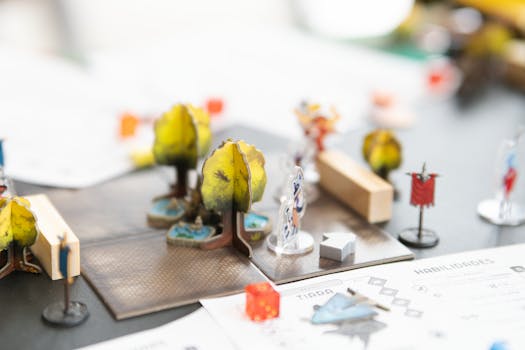
Three core loops keep you desperate for resources and sanity
How does Wyrdness work and why does it ruin my runs?
Wyrdness is your sanity/energy hybrid. Every map movement, every failed encounter, every night spent without shelter drains it. Hit zero and you hallucinate—combat cards randomize, NPCs lie, the map itself shifts.
Wyrdness management is the real boss.
- Menhir zones restore Wyrdness slowly but attract harder enemies
- Camping costs food but prevents nighttime drain
- Certain cards trade health for Wyrdness recovery—a trap most beginners take
Here's the friction: Wyrdness recovery items are scarcer than healing. I once burned through 12 hours of progress because I hoarded health potions and ignored dream-catchers.
What makes the deckbuilding different from other card RPGs?
Your deck splits into Combat and Diplomacy pools. Many encounters let you choose violence or conversation, but the cards don't overlap. A build crushing in combat folds against a guarded gatekeeper who needs specific argument chains.
Card upgrades require both experience and memory fragments found in the world. This means:
- You can't grind upgrades in one safe zone
- Build pivots are expensive—commit by Act 2
- Some "bad" cards upgrade into situational bombs
The energy system uses Momentum rather than fixed mana. Playing cheap cards builds Momentum for expensive finishers. This creates burst windows where a 0-cost dodge sets up a 12-damage crushing blow. Miss the timing and you overdraw, wasting cards.
Is the open world actually open or gated by story?
Technically open. Practically, Menhir failure acts as soft gating. Each region has a Menhir health bar. Let it collapse and the zone becomes a nightmare realm with new loot but brutal enemy mutations. You can enter early, but the deck check is severe.
Fast travel unlocks per-region after clearing local Menhir stabilizers. Before that, you walk. The walk matters—random encounters scale with distance from safety, and night travel doubles Wyrdness drain.
| Region | Menhir Status | Min Deck Size | Key Danger |
|---|---|---|---|
| The Haven | Stable | 15 cards | Tutorial traps |
| Whispering Woods | Cracking | 20 cards, 2 upgrades | Wyrdness drain fog |
| Sunken Village | Collapsed | 25 cards, 4+ upgrades | Mutated enemy abilities |
| The Throne Coast | Hidden | 30 cards, full synergy | Diplomacy-or-die bosses |
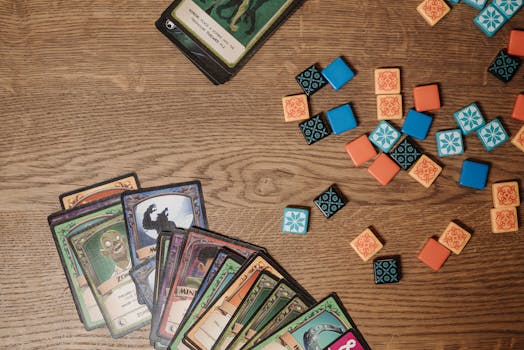
Classes define your starting crisis, not your ending power
Which class should I pick for my first run?
Guardian. Not because it's easiest—because its failure teaches the game's actual lessons.
Guardians start with high health, mediocre damage, and a defensive Momentum engine. You learn to absorb hits, build Momentum across 3-4 turns, then retaliate. This mirrors how Wyrdness management works: patience, then explosion. Other classes let you skip this rhythm and hit walls later.
Summoner starts strong but relies on pet AI that breaks against certain bosses. Wyrdhunter has the highest damage ceiling but bleeds Wyrdness per ability use. Alchemist requires recipe knowledge you won't have for 10+ hours.
| Class | Core Mechanic | Hidden Cost | Best Mode |
|---|---|---|---|
| Guardian | Block → Momentum → Crush | Slow runs, timer events fail | Open World |
| Summoner | Pet commands as free actions | Pets die permanently in Conquest | Open World (story) |
| Wyrdhunter | Wyrdness as second mana pool | Sanity crashes mid-boss | Conquest (short runs) |
| Alchemist | Craft consumables mid-combat | Recipe RNG, inventory clutter | Second playthrough+ |
Conquest mode is a different game wearing the same skin
Should I play Open World or Conquest first?
Open World. Conquest assumes you know enemy patterns, card synergies, and Menhir mechanics. It's a roguelike where each "run" spans 2-3 hours and permadeath is real.
Conquest structures:
- Expedition: 3-boss gauntlet with shop between
- Siege: Defend a Menhir across escalating waves
- Hunt: Single boss with randomized modifiers
The twist: Conquest unlocks mutators that carry to Open World. Beat a "Wyrdness drains 2x" run and you earn a trinket that halves Wyrdness loss everywhere. This creates a weird incentive where Conquest grinders become overpowered in story mode.
Design flaw: Conquest's balance shifts hard at expedition 5+. Enemy scaling outpaces card rewards unless you hit specific rare relic combos. Many players stall here, not realizing the mode expects perfected decks from Open World farming.
Progression hooks that actually change how you play
What carries over between runs and what doesn't?
Open World: Everything persists. Death reloads last Menhir save. You can theoretically grind forever, though Wyrdness inflation makes this painful.
Conquest: Only mutator unlocks and cosmetic trinkets persist. Decks, relics, gold—gone.
Cross-mode: Bestiary entries unlock enemy intent indicators. Kill a foe 3 times anywhere, and future fights show its next 2 actions. This is massive for planning Momentum builds.
Faction reputation exists but matters less than advertised. The Order of the Grail and Wild Hunt offer different ending slides, but the mechanical differences are +5% damage vs. +10% Wyrdness resist. Choose for flavor, not power.
Beginner survival guide: what I learned from 40 hours of mistakes
Why am I dying in the first two hours?
You're moving too fast and fighting too much. Tainted Grail punishes curiosity.
Immediate priorities:
- Find the first Menhir before exploring side paths
- Rest at every campfire even if not wounded—Wyrdness matters more
- Remove starter cards at first opportunity; thin decks cycle faster
Common trap: The game showers early combat cards. New players build 35-card decks and wonder why their "good" cards never appear. Cap at 20 cards until you understand draw engines.
What cards look weak but aren't?
"Falter" — 0 cost, gain 1 Momentum, discard a card. Seems terrible. It's your combo enabler. "Old Map" — reveals next 3 encounters, no combat effect. Prevents Wyrdness-wasting detours. "Bitter Bargain" — lose 5 health, gain 8 Momentum. The health loss is recoverable; the Momentum spike wins boss phases.
I ignored Falter for 15 hours. Then I watched a Guardian build video and realized my "strong" deck was 30% dead weight.
How do I know when to fight versus talk?
Check enemy Disposition before committing. Red icon: combat only. Yellow: diplomacy possible but difficult. Green: talk, always. The UI lies sometimes. Certain "green" encounters trigger betrayal mechanics where diplomacy fails mid-conversation and you're locked into combat with a weakened deck.
My rule: If I haven't seen the enemy type before, I fight. Bestiary entry > potential diplomacy reward.
Technical reality check: performance and platform quirks
Load times on base PS4 exceed 45 seconds between regions. PC (Steam) runs smoother but has save-corruption bugs if you alt-tab during Menhir events. Switch version exists but the text is unreadable in handheld mode.
The official Awaken Realms site lists patch notes but lags behind actual hotfixes by weeks. Community Discord is faster for bug workarounds.
FAQ: What players actually ask
Is Tainted Grail multiplayer?
No. The board game supported 1-4 players; digital is strictly single-player. Co-op was discussed in early access but cut due to synchronization issues with the Momentum system.
How long is the story?
25-35 hours for Open World main path. 60+ for completion including Menhir stabilization and alternate endings. Conquest runs are 2-3 hours each, but expect 20+ attempts before first expedition clear.
Can I respec my character?
Partially. Card upgrades are permanent, but the Memory Forge (unlocked after second region) lets you swap one upgraded card per rest. Full deck resets require rare Amnesia Tonic found in collapsed Menhir zones.
What's the actual endgame?
Thin. Beat Open World and you unlock Ascension—same story, enemy levels scale +20, Wyrdness drains 50% faster. Conquest has leaderboards but no seasonal structure. The "endgame" is experimenting with builds that trivialize earlier struggles.
Is it worth full price?
At $30-40, yes if you want atmosphere and deckbuilding depth. No if you want polished progression or multiplayer. Wait for sale if you're unsure—historically 40% off during Steam seasonal events.
Why do my cards sometimes change mid-combat?
Wyrdness hallucination or enemy Corruption aura. Check the floating text above your portrait. "Reality frays" means card text randomizes for 1-2 turns. It's not a bug. It's the game being cruel.
Final verdict: who should play this
Play if: You finished Slay the Spire and wanted worldbuilding. You forgive jank for unique atmosphere. You enjoy discovering hidden mechanics through failure.
Skip if: You need responsive UI feedback. You dislike reading lore notes for quest direction. You want consistent difficulty curves rather than spike-and-plateau pacing.
Tainted Grail is a flawed vessel containing something genuinely unsettling. The deckbuilding is solid, the exploration is oppressive in intended ways, and the Arthurian deconstruction hits harder than most fantasy RPGs dare. But it demands patience the way Avalon demands blood.
Start as Guardian. Save before every Menhir. Trust no green disposition icon.