Aliens: Fireteam Elite 2 Confirmed for Summer 2026 — Here's What Actually Changed
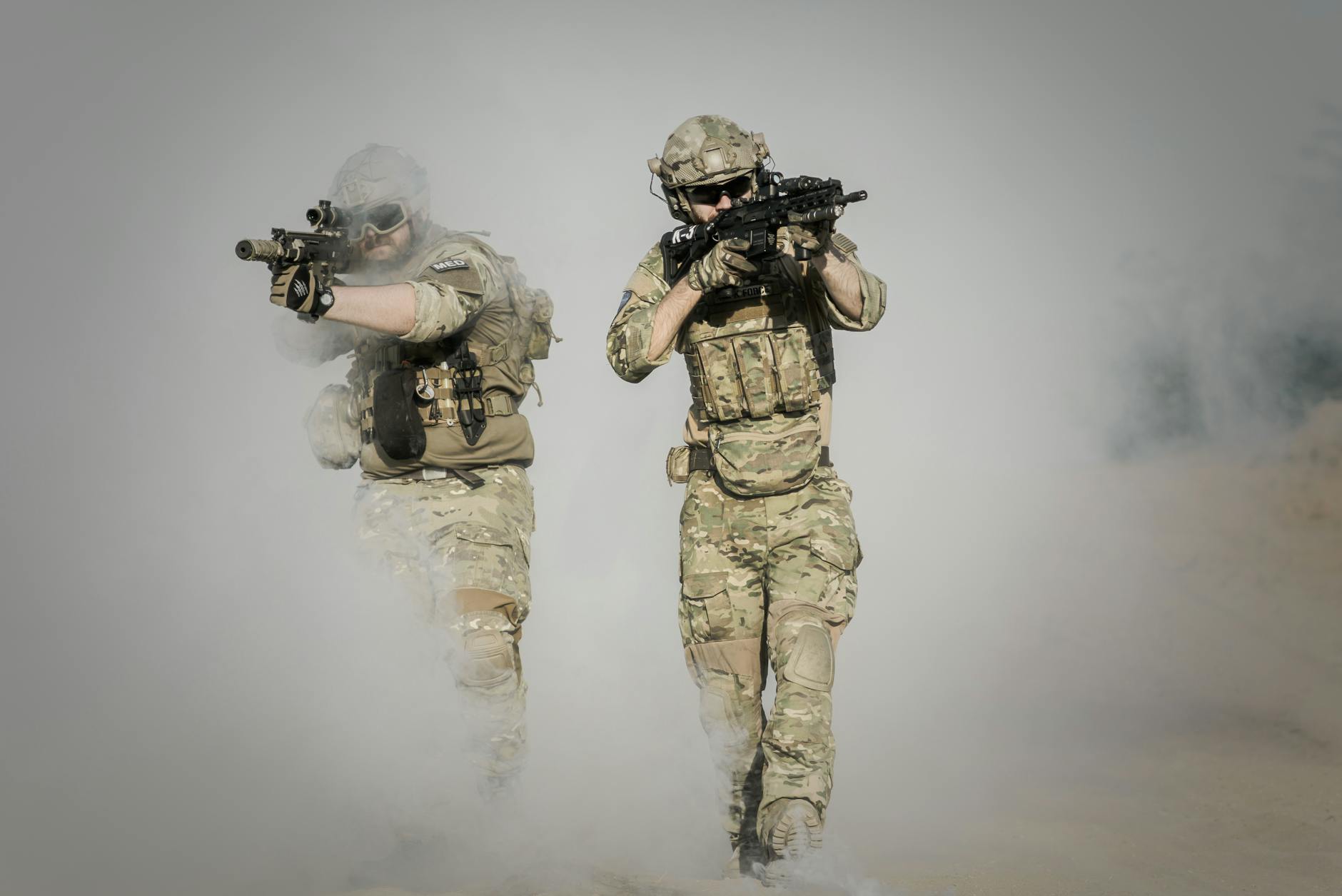
Aliens: Fireteam Elite 2 launches this summer with four-player co-op (up from three), a new Specialist Class system for custom ability builds, and expanded horde maps. Cold Iron Studios is betting that bigger squads justify tougher xenomorph variety, but the exact release date within summer remains unannounced.
What the Sequel Actually Adds (And What It Costs You)
The move from three to four players sounds like pure upside. More firepower. More covering angles. More chances someone remembers to bring a medkit.
Here's the asymmetry most coverage misses: that fourth player doesn't just add 33% more damage output. It changes spacing geometry entirely. In the original Fireteam Elite, three players formed rough triangles—tight enough for crossfire, loose enough to avoid swarm clustering. Four players tempt wider formations, which sounds tactically sound until you account for the new xenomorph types specifically designed to punish static positions.
The "massive variety of new xenomorphs" isn't marketing fluff in this context. The source material explicitly states these enemies "force players to stay mobile." Translation: the cover-based muscle memory from games like Gears or the original Fireteam Elite will get you killed faster here. The horde maps with "valuable rewards" for survival are clearly tuned around this mobility mandate—stationary teams eat respawn timers.
The Specialist Class is the bigger structural shift. Preset classes in the original created clear role identity: you knew who carried the smartgun, who patched wounds, who laid traps. The new system lets you mix major and minor abilities freely. This trades clarity for flexibility. Veteran groups gain optimization potential. Pick-up groups lose the crutch of "just play your role" coordination.
Hidden variable: class confusion in matchmade groups. If everyone builds hybrid damage-support loadouts, nobody brings dedicated crowd control when the xenomorph density spikes. The game will need either robust ping systems or active community norm-building to prevent four-specialist squads from becoming four-corpses-quick.

What We Don't Know Yet (And Why It Matters)
Summer 2026 is confirmed. "Summer" in game publishing typically means June through August, but no day, no month, no preorder timing. The original Fireteam Elite launched in August 2021—late summer, suggesting Cold Iron may repeat that pattern, but that's pattern-matching, not confirmation.
Platform availability is unspecified. The original hit PlayStation, Xbox, and PC with cross-play added post-launch. Whether sequel cross-play arrives day one or follows the same staggered rollout affects purchase decisions for friend groups split across ecosystems.
The "multiple dedicated horde maps" phrasing is telling. "Multiple" means at least two, likely three to four at launch. Compare to the original's campaign-focused structure with horde as secondary. This suggests either a live-service pivot or a recognition that the survival loop outperformed narrative engagement in player retention. The "valuable rewards" mention implies progression systems, but whether that's cosmetic, mechanical, or both remains unstated.
Most critically: the pricing model. The original was premium purchase with paid DLC classes and cosmetics. No word on whether Fireteam Elite 2 repeats this, shifts to battle pass structures, or experiments with other monetization. Summer launch without pricing transparency this close to release is slightly unusual—watch for that announcement as a signal of commercial confidence or uncertainty.

What to Watch Before You Commit
| Decision Point | What to Monitor | Why It Matters |
|---|---|---|
| Exact release date | Official channels, likely within 4-6 weeks | Summer window is narrowing; late announcement may indicate polish needs |
| Platform/price confirmation | Store listings, Cold Iron social media | Cross-play day-one vs. delayed affects squad coordination |
| Specialist Class deep-dive | Gameplay trailers, preview events | Determines if build variety is genuine depth or illusion of choice |
| Review embargo timing | Press access schedules | Late embargoes often correlate with confidence levels |
| Post-launch content cadence | First 30 days of updates | Reveals if "multiple horde maps" sustains or if drop-off is steep |
The one action item: if you played the original, decide now whether three-to-four player scaling excites you or whether you're burned on the Left 4 Dead formula's diminishing returns. This sequel isn't reinventing the framework. It's refining variables within it.
If you skipped Fireteam Elite entirely, the entry question is simpler: do you want a cooperative shooter that punishes camping more than most, with progression hooks that reward repeated horde survival? The Specialist Class adds build-craft appeal for theorycrafters, but the core loop remains shoot-move-scavenge against overwhelming alien density.

The Bottom Line
Don't preorder for the fourth player alone. Wait for Specialist Class footage showing whether builds create genuine tactical diversity or just optimization traps. The summer window gives you time to see if this launches polished or if "massive variety of new xenomorphs" translates to overwhelming visual noise without readable attack patterns.
The signal to noise ratio in co-op shooters is brutal. Fireteam Elite survived it once. Whether the sequel earns its place depends on whether "more"—more players, more aliens, more class options—actually produces more interesting decisions, or just more chaos.