Deep Rock Galactic: Rogue Core drops into early access at 12 pm EDT on May 20, 2026. That's the confirmed unlock time across all platforms. No pre-load, no staggered regional rollout—one global clock, and you're either mining at lunch or staying up past midnight if you're east of India.
The bigger question isn't when you can play. It's whether this spinoff deserves your time when the original DRG already has years of content and a trusted update cadence. Rogue Core swaps cooperative survival for roguelite runs, trades the familiar four classes for Reclaimers built around aggressive "loss prevention," and ditches the endless mission structure for repeatable loops with meta-progression. That shift matters because Ghost Ship Games is essentially asking whether DRG's moment-to-moment gunplay holds up when the social sandbox gets stripped back.
What Actually Launches on May 20
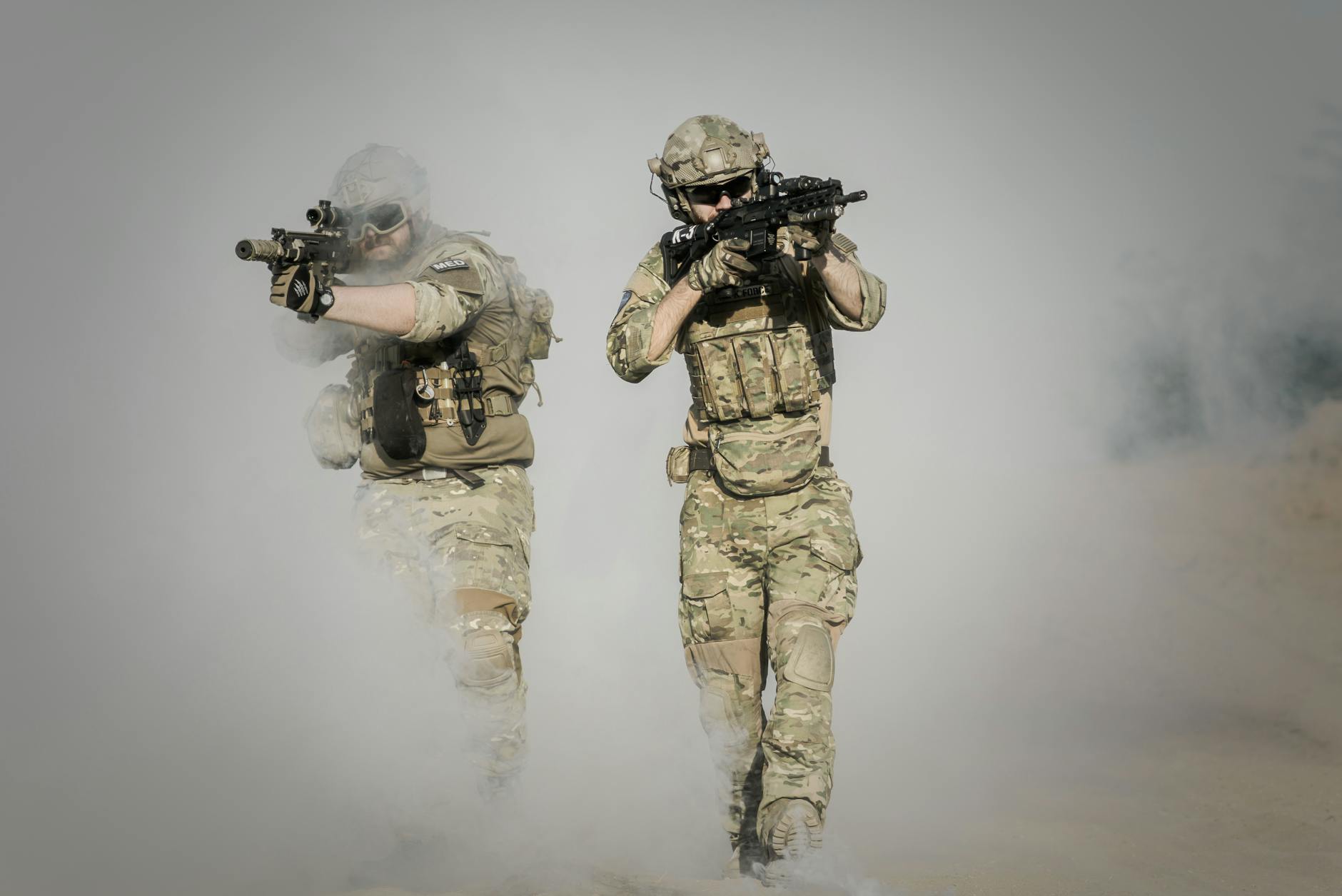
Ghost Ship has confirmed a specific scope for this early access debut. Rogue Core launches with a complete core loop: select a Reclaimer, run procedurally generated missions, extract or die, spend resources on persistent upgrades, repeat. The Reclaimers themselves are the headline change—these aren't dwarves with pickaxes and a drinking problem. They're heavily armed corporate troubleshooters sent in after standard mining teams "go dark." The fiction justifies harder combat, fewer survival tools, and a faster pace.
The unlock times break down cleanly for major regions:
| City | Time Zone | Unlock Time |
|---|---|---|
| Los Angeles | PDT | 9 am, May 20 |
| New York | EDT | 12 pm, May 20 |
| London | BST | 5 pm, May 20 |
| Berlin | CEST | 6 pm, May 20 |
| New Delhi | IST | 9:30 pm, May 20 |
| Sydney | AEST | 2 am, May 21 |
| Auckland | NZST | 4 am, May 21 |
No platform-exclusive early access. No deluxe edition head start. The PCGamer source confirms this is a single global unlock, which is rarer than you'd think—many early access launches now sell "founder" tiers with 24-72 hour advantages. Ghost Ship isn't doing that, which suggests either confidence in server stability or a smaller initial player cap than they're publicly discussing.
What's confirmed in the build: multiple Reclaimers with distinct loadouts, procedural mission generation, a meta-progression system between runs, and full controller support. What's not confirmed: the exact number of Reclaimer variants at launch, whether progression carries through to 1.0, or how long early access is expected to last. Ghost Ship has historically been transparent about roadmaps—DRG's original early access ran from 2018 to 2020 with quarterly major updates—but they've been quieter about Rogue Core's timeline specifically.
The Hidden Trade-Off: Roguelite Structure vs. DRG's Social Engine
Here's the non-obvious tension most coverage misses. Deep Rock Galactic's original success wasn't just good shooting. It was the emergent chaos of four specialists with overlapping, sometimes conflicting jobs. The Driller carving shortcuts the Scout didn't ask for. The Engineer platforming a resupply that the Gunner immediately ziplined past. The game generated stories through friction between roles.
Rogue Core removes that friction by design. Reclaimers are generalists. Solo viable by default. The roguelite format demands it—roguelikes that require specific team composition to function tend to die in early access when matchmaking pools thin out. But that generalization costs something. The original DRG's most memorable moments came from role failure and improvised rescue. Rogue Core's "loss prevention" fantasy is more competent, more lethal, and potentially more samey across runs.
The hidden variable is group size. Original DRG scales difficulty with player count but fundamentally assumes four dwarves. Rogue Core's roguelite structure suggests better solo balance, which matters enormously for player retention in early access when concurrent numbers fluctuate. If you're primarily a solo player, Rogue Core may actually fit better than base DRG despite the reduced social depth. If your DRG group is a fixed four-stack, Rogue Core offers less of what made your group stick together.
Another underdiscussed factor: run length. DRG missions run 15-45 minutes depending on complexity and player deliberation. Roguelites typically target tighter loops—20-30 minutes for a complete run, including meta-progression time. Ghost Ship hasn't confirmed Rogue Core's target runtime, but the genre pressure is real. Shorter runs mean more "one more try" engagement but less of the deep expedition feeling that defined the original. This is the asymmetry: Rogue Core gains accessibility but risks losing the sense of being genuinely underground, genuinely committed to a dangerous extraction.
What to Watch in Early Access
The critical uncertainty isn't whether Rogue Core is "good" on day one. It's whether Ghost Ship treats early access as a extended beta or as a funded development period with major systems still in flux. Their track record with base DRG suggests the latter—they added full mission types, biomes, and the entire endgame progression during early access. But Rogue Core is a spinoff, not the main product, and corporate attention splits when a studio runs multiple live games.
Watch three specific signals in the first month:
- Patch frequency, not just patch notes. Weekly hotfixes suggest operational stress. Biweekly or monthly updates with design reasoning attached suggest planned iteration. Ghost Ship's community update format—developer commentary, not just changelogs—was a differentiator for DRG. Whether they maintain that for Rogue Core indicates resource allocation.
- Meta-progression depth. Shallow unlock trees kill roguelite retention. If the first week reveals that "persistent upgrades" are mostly +5% damage increments, the loop will exhaust quickly. Meaningful progression changes how you approach runs, not just how powerful you are entering them.
- Integration with DRG proper. The most interesting long-term question is whether these games ever connect—shared cosmetics, crossover events, or even narrative links. Complete separation would be a missed opportunity. Too much integration risks fragmenting the player base or creating FOMO pressure across both titles.
The price point also matters and remains unconfirmed in the source material. DRG launched at $30 in early access and held that price through 1.0. Rogue Core's positioning—spinoff, smaller scope, same universe—suggests either a lower entry point to reduce purchase friction or the same price to signal equivalent value. That decision, when revealed, will tell you a lot about Ghost Ship's commercial expectations.
The Bottom Line
If you're deciding between installing Rogue Core day-one or waiting for the 1.0 verdict, the calculus depends on your DRG relationship. Existing players with hundreds of hours should treat early access as a paid beta—your feedback might shape the game, but your time is probably better spent in established content unless the Reclaimer fantasy specifically appeals. Newcomers to the universe should start with base DRG; it's cheaper in real terms (frequent deep sales, years of polish) and better represents what made the series notable. Rogue Core only makes sense as entry point if you specifically want roguelite structure and don't care about the cooperative sandbox that built the brand.
The one action to take now: add Rogue Core to your wishlist with a calendar reminder for June 20, one month post-launch. By then, Steam reviews will have stabilized past the initial hype/deflation cycle, Ghost Ship will have delivered or missed their first major update, and you'll know whether this is a parallel live game or a side project that slowly loses developer attention. Early access rewards patience more than punctuality.