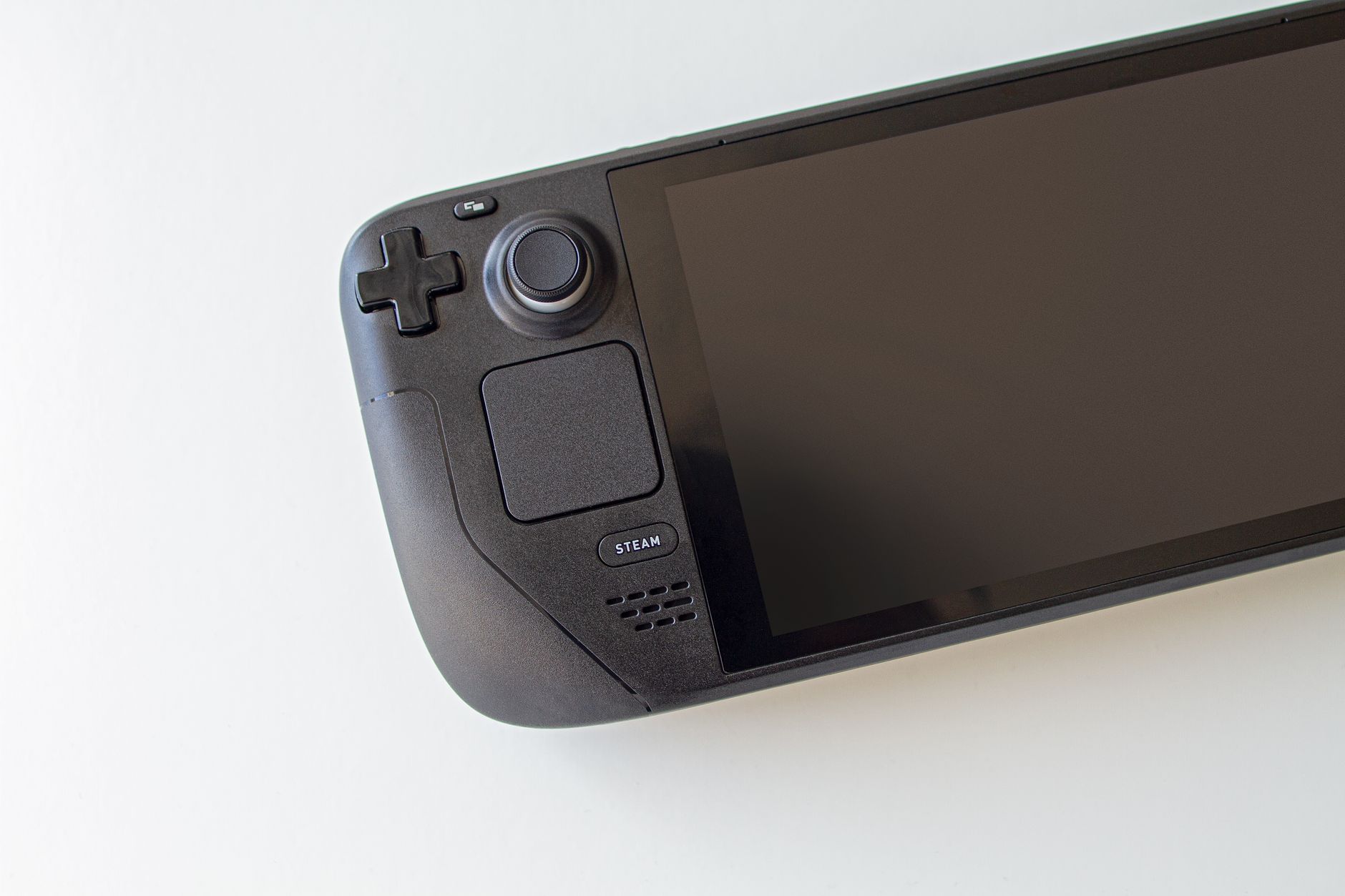
A datamined Steam client update reveals four distinct Steam Machine model numbers and the integration of a reservation system, signaling that Valve's living-room hardware push is accelerating despite ongoing memory market volatility.
The Actual Update: Data Mining the SteamTracking GitHub
For the past few months, Valve’s upcoming Steam Machine has existed as an open question heavily influenced by the global memory crisis. That silence broke recently. According to tracking data first spotted by a Redditor in the Steam Machine subreddit (later reported by VideoCardz and PC Gamer), Valve pushed a new Steam update containing fresh hardware entities.
The findings rely on the SteamTracking GitHub page. Instead of a single hardware SKU, the code explicitly lists four distinct model numbers for the Steam Machine. Furthermore, the update includes references to two "Steam Frame" packages. (Inference: These packages likely dictate the physical chassis dimensions or mounting apparatus required for the different tiers of hardware.)
We already knew from previous communications that Valve plans to offer 512 GB and 2 TB storage variants. However, the existence of four separate models introduces a new mechanical layer to the launch strategy. Either Valve is segmenting the hardware further (perhaps by RAM or GPU compute), or the four models represent standalone units paired with controller-inclusive bundles.
Why a Reservation System is the Real Story
Model numbers are exciting, but the underlying infrastructure matters more. The code from this new Steam update directly links the Steam Machine to Valve's reservation system. This specific platform mechanism allows Valve to manage server loads, combat scalper bots, and gauge regional demand before authorizing manufacturing runs.
Valve already used this exact reservation queue for the Steam Controller. Deploying it for the Steam Machine confirms the company expects high initial friction during checkout. Given the ongoing memory crisis affecting component availability, a queue-based rollout is a defensive hardware play. It stops the storefront from crashing and prevents third-party scalpers from wiping out day-one inventory.
What happens to consumer confidence if the queue stretches into months? Valve will have to balance communication carefully to prevent buyer fatigue before units even ship.
Why the Memory Crisis Dictates the Hardware Strategy
You cannot look at the Steam Machine launch without understanding the memory crisis. High-bandwidth memory and NAND flash pricing remain severely constrained. This hardware reality actively punishes companies trying to push high-volume, fixed-spec consumer electronics.
When Valve confirmed the 512 GB and 2 TB models last year, flash memory markets were operating under entirely different pricing structures. The existence of four models today might reflect a forced hardware pivot. Verdict: Valve is likely offering more granular hardware tiers to hit specific price targets, even if it means sacrificing margin on lower-end units just to maintain a palatable entry price during the crisis.
Despite panic in early 2026 suggesting a delay into 2027, Valve officially reaffirmed in March that the Steam Machine remains a 2026 release. The activation of the reservation system in the backend provides strong, documented evidence that they are locking in launch logistics now rather than postponing the cycle.
Implications for the Player Community
For players, this new Steam update shifts the conversation from "Is it actually happening?" to "How fast do I need to be to get one?" The immediate impact is psychological. Waiting for a Steam Deck used to be the primary bottleneck for PC gamers; now, securing a living-room Valve rig will likely require the same level of queue management.
- Wallet Preparation: Four models mean a wider price spread. Players should expect an entry-level tier designed strictly for 1080p streaming/light gaming, and an enthusiast tier for native 4K rendering.
- Bundle Economics: The "Steam Frame" packages could indicate that Valve is treating the physical mounting hardware as a modular, separate piece, potentially lowering the baseline cost of the core unit.
- The Controller Variable: Since Valve already utilizes a reservation system for the Steam Controller, the two higher-tier models might automatically bundle the peripheral, driving up the initial buy-in cost but guaranteeing a complete setup.
There is a distinct difference between a deliberate four-tier launch strategy and a fragmented release born from supply chain panic. The data points toward the latter.

What Remains Unknown and What to Watch Next
While the backend infrastructure solidifies, the consumer-facing details remain entirely blank. Valve has not confirmed a release date, an official launch price, or the exact specifications differentiating the four models.
Here is exactly what players and industry watchers should monitor over the coming weeks:
- Storefront Updates: The moment Valve flips the reservation system from a backend string to a front-end UI element, the launch window is locked.
- Memory Market Shifts: If NAND pricing stabilizes, Valve can consolidate the four models into a simpler two-tier launch, drastically improving their manufacturing yield.
- Steam OS Builds: Watch the beta branches for UI scaling changes designed for larger displays. A shift from handheld to TV-optimized interfaces will signal final software readiness.