Nintendo Switch 2 Specs Allegedly Leak: DLSS 3.5 and 4K Docked Mode
A comprehensive specifications leak for Nintendo's next-generation console, tentatively called Switch 2, has surfaced online, revealing significant hardware upgrades including NVIDIA DLSS 3.5 support, 4K output in docked mode, and performance capabilities that could rival current-generation consoles. While Nintendo hasn't officially confirmed the console's existence, mounting evidence suggests an announcement is imminent.
Hardware Specifications
According to leaked documentation from multiple sources, the Switch 2 will feature a custom NVIDIA Tegra chip based on the Ampere architecture, a substantial upgrade from the original Switch's Maxwell-based Tegra X1. The new chip reportedly includes 1536 CUDA cores running at 1.0 GHz in docked mode and 750 MHz in portable mode, providing approximately 3-4 times the GPU performance of the original Switch.
The CPU configuration allegedly consists of an 8-core ARM Cortex-A78AE processor clocked at 2.5 GHz, paired with 12GB of LPDDR5 RAM. This represents a massive leap from the Switch's 4GB of LPDDR4 memory and should eliminate the memory bottlenecks that plagued many third-party ports. Storage options include 256GB of internal UFS 3.1 storage, with support for microSD cards up to 2TB.
DLSS 3.5 Integration
The most exciting revelation is native support for NVIDIA's DLSS 3.5 technology, including Frame Generation and Ray Reconstruction. This AI-powered upscaling could allow games to run at lower native resolutions while outputting at 1080p in handheld mode or 4K in docked mode, maintaining smooth frame rates. For a handheld device, this technology could be transformative, enabling visually impressive games without draining battery life.
DLSS implementation on Switch 2 would give Nintendo a significant technical advantage over competitors. While the Steam Deck and other PC handhelds offer raw power, DLSS's efficiency could allow Switch 2 to deliver comparable visual quality with better battery life and thermal management. This could finally enable Nintendo to attract more third-party AAA games that previously skipped the platform due to hardware limitations.
Display and Output
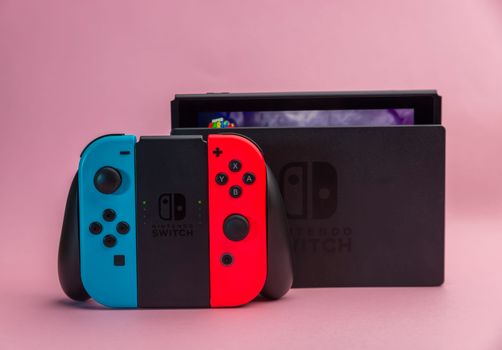
The Switch 2 allegedly features an 8-inch OLED display with 1080p resolution and a 120Hz refresh rate, up from the original Switch's 6.2-inch 720p LCD (or 7-inch OLED in the revised model). The larger, higher-resolution screen addresses one of the original Switch's main weaknesses and should provide a significantly improved handheld experience.
In docked mode, the console reportedly supports 4K output at 60fps or 1080p at 120fps, depending on the game. This dual-mode approach gives developers flexibility to prioritize either resolution or frame rate. The dock itself has been redesigned with additional USB ports, Ethernet connectivity, and improved cooling to support the increased power draw.
Battery and Thermal Management
Battery life remains a critical concern for handheld devices. The leaked specifications suggest a 6500mAh battery, larger than the Switch OLED's 4310mAh cell. Combined with DLSS efficiency gains and improved power management, Nintendo is targeting 4-6 hours of gameplay for demanding titles and 8-10 hours for less intensive games. The console allegedly supports 45W USB-C PD charging, enabling faster charge times.
Thermal management has been significantly improved with a vapor chamber cooling system and larger fan. This should allow the console to maintain higher clock speeds without thermal throttling, a common issue with the original Switch during extended play sessions. The improved cooling also reduces fan noise, addressing another frequent complaint.
Backward Compatibility
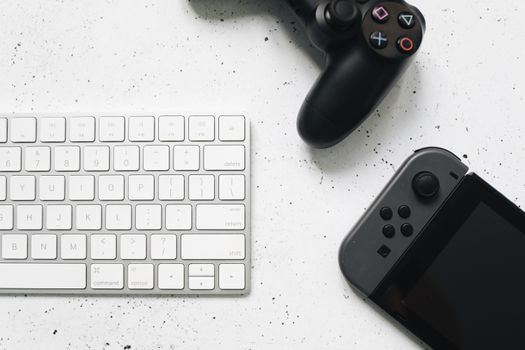
The Switch 2 will reportedly offer full backward compatibility with original Switch games, both physical cartridges and digital purchases. Enhanced modes for select titles will leverage the new hardware to provide higher resolutions, improved frame rates, and faster load times. This approach mirrors Sony's PS5 strategy and ensures the Switch 2 launches with an extensive game library.
Nintendo is allegedly working with major publishers to release enhanced patches for popular titles. Games like The Legend of Zelda: Tears of the Kingdom, Pokémon Scarlet/Violet, and Super Mario Odyssey could receive 4K updates, improved textures, and performance enhancements. This would provide immediate value for early adopters while developers prepare native Switch 2 titles.
Launch Window and Pricing
Multiple sources suggest a September 2026 launch window, coinciding with Nintendo's typical holiday season strategy. The console will allegedly launch in two configurations: a standard model at $399 and a premium model with 512GB storage at $449. These prices position the Switch 2 between the Steam Deck and PlayStation 5, reflecting its hybrid nature and advanced features.
Launch titles reportedly include a new 3D Mario game, Metroid Prime 4 (as a cross-gen release), and a Mario Kart 9. Third-party support includes ports of recent AAA games that skipped the original Switch, such as Elden Ring, Cyberpunk 2077, and Baldur's Gate 3, all leveraging DLSS to run at acceptable performance levels.
Controller Improvements
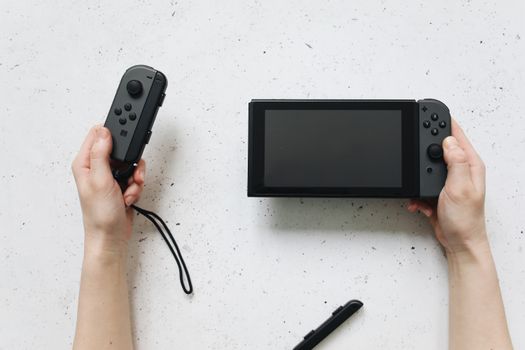
The Joy-Con controllers have been redesigned to address drift issues that plagued the original Switch. The new controllers allegedly use Hall effect analog sticks, which are more durable and resistant to drift. They're also slightly larger to accommodate adult hands better, with improved ergonomics and additional buttons for enhanced functionality.
The controllers maintain magnetic attachment to the console but feature a more secure locking mechanism. Battery life has been extended to approximately 20 hours per charge, and they support Bluetooth audio without requiring a separate adapter. A Pro Controller 2 will also launch alongside the console, featuring similar improvements and haptic feedback comparable to the PlayStation 5's DualSense.
Online Services and Features
Nintendo Switch Online will continue on the new platform with enhanced features. Cloud saves will be mandatory for all games (no more opt-outs), and the service will include Discord integration for voice chat and friend coordination. The subscription price remains unchanged, but a new tier offering additional benefits like early access to demos and exclusive in-game items may be introduced.
Credibility Assessment
While these leaks come from multiple independent sources and align with previous rumors, they should still be treated as unconfirmed until Nintendo makes an official announcement. The specifications seem plausible given current technology and Nintendo's typical hardware strategies. The DLSS integration is particularly credible given Nintendo's long-standing partnership with NVIDIA.
However, some details may be inaccurate or subject to change. Nintendo is known for secrecy and has successfully prevented major leaks in the past. The company may also adjust specifications based on manufacturing costs, supply chain considerations, or competitive factors. Pricing in particular often changes between development and launch.
Industry Implications
If accurate, these specifications would position the Switch 2 as a genuine competitor to PlayStation 5 and Xbox Series X|S in terms of third-party support, while maintaining Nintendo's hybrid advantage. The console could finally bridge the gap between Nintendo's first-party excellence and the multiplatform AAA ecosystem, potentially reshaping the competitive landscape.
For developers, the Switch 2's capabilities would make porting games significantly easier. The combination of modern architecture, ample memory, and DLSS support removes many technical barriers that prevented Switch ports. This could lead to more day-and-date releases on Nintendo platforms, increasing the console's appeal to core gamers.
What to Expect Next
Nintendo typically announces new hardware several months before launch, suggesting an official reveal could come in June 2026, possibly at a Nintendo Direct or during Summer Game Fest. The company will likely focus on first-party games and unique features rather than raw specifications, consistent with their marketing approach.
Until then, expect more leaks and rumors as manufacturing ramps up and development kits circulate among studios. Nintendo will likely remain silent on speculation, neither confirming nor denying reports. For fans eager for official information, patience is required—but if these leaks are accurate, the wait will be worth it.