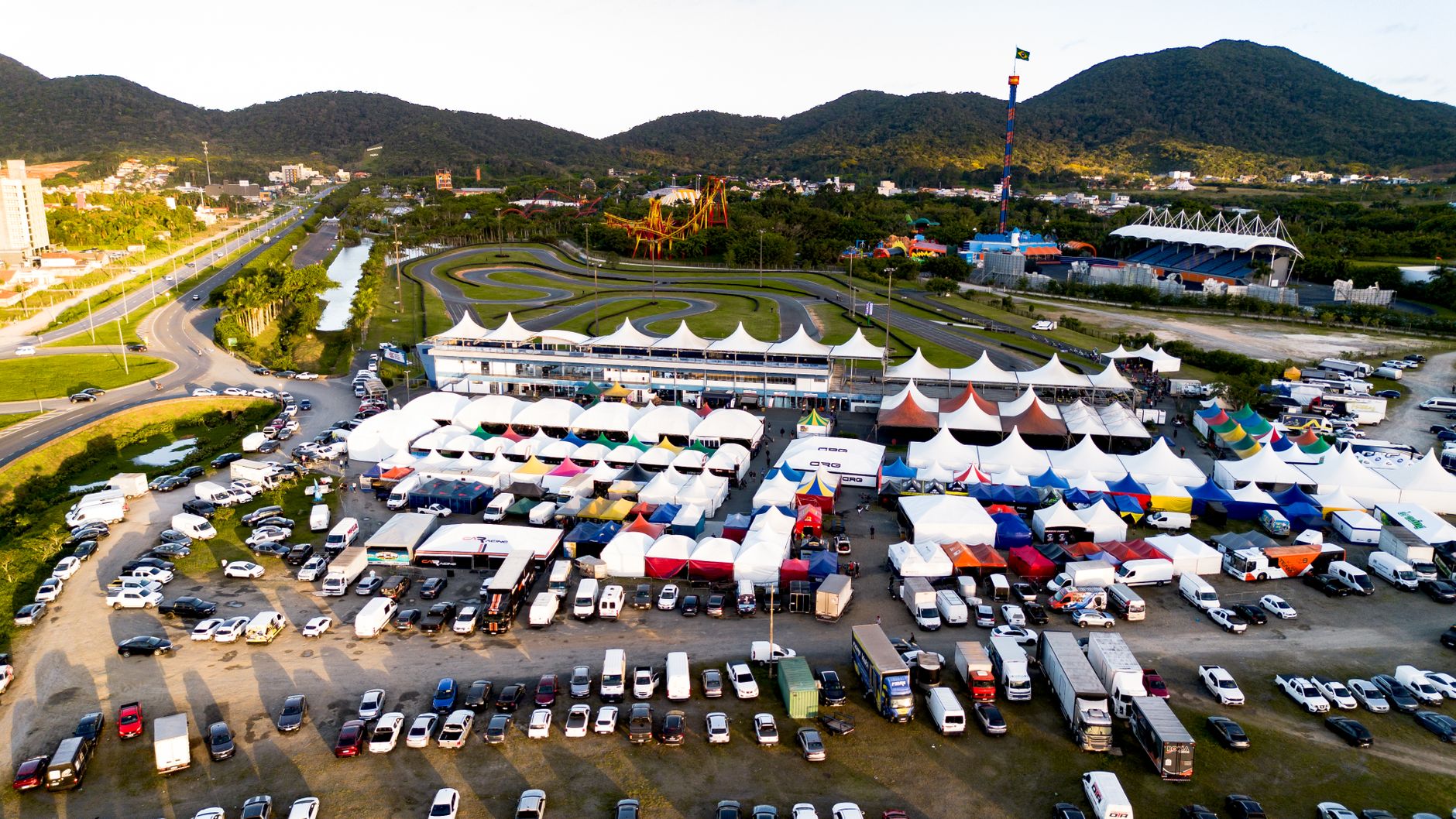
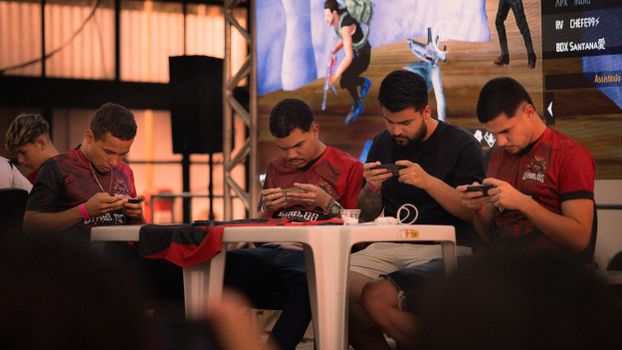
Brazil isn't just another market on Niantic's map. Alan Mandujano, Pokémon Go's head of marketing for Latin America, told PocketGamer that Brazilian players treat the game with the same cultural intensity they bring to soccer—a sport born in Europe that feels indigenous there. That emotional ownership explains why player-organized meetups have become a defining feature of Go Fest seasons in Brazil, with community coordination often beginning months before official events.
The Cultural Engine Behind Go Fest's Brazilian Explosion
Mandujano's framing reveals something most global gaming coverage misses: Latin American player engagement doesn't scale linearly with disposable income or smartphone penetration. It scales with cultural appropriation depth. Brazilian players aren't consuming Pokémon Go as an imported product. They're colonizing it.
This matters for how players elsewhere should interpret Niantic's regional strategy. When Mandujano describes soccer's transformation from European import to local religion, he's mapping how Pokémon functions similarly in Brazil. The 1990s anime dub, the prolonged Nintendo distribution gaps that made pirated cartridges communal currency, the fan translation networks—all of this created a participatory culture where ownership feels collective rather than licensed.
For Go Fest specifically, this means Brazilian attendance and spending punch above what raw market-size calculations would predict. Mandujano notes players are "already starting to plan meetups" for events still months away. That organic social infrastructure reduces Niantic's marketing costs while amplifying event density. A São Paulo player who coordinates a 50-person raid train isn't just playing. They're performing community leadership that reinforces retention across the local network.
The trade-off here is asymmetrical. Brazilian players gain cultural prestige and localized event energy that European players often experience as more transactional. But they also face infrastructure fragility—cellular density varies dramatically between Rio's Zona Sul and peripheral neighborhoods, and rural players remain effectively excluded from the urban-centric Go Fest model. Niantic hasn't solved this. They've simply concentrated investment where engagement-per-dollar peaks.
What's confirmed: Brazilian pre-event community activity is measurably high per Mandujano's account. What's unknown: whether Niantic will deploy Brazil-specific event modifications, whether satellite events will reach secondary cities, and whether future organizational changes will alter regional resource allocation. Players should monitor local Discord servers for unofficial event coordination that often predicts official announcements.
What This Signals About Live Event Economics
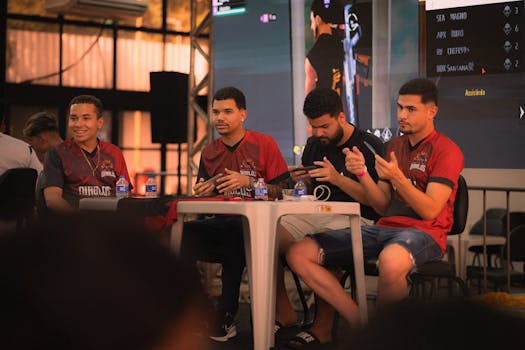
Mandujano's interview contains an unspoken argument about where Pokémon Go's competitive moat actually lives. It isn't in AR technology or creature collection depth. It's in live event social physics.
Compare this to Genshin Impact, which generates comparable revenue with zero physical event requirement. HoYoverse's model decouples spending from geography. Pokémon Go's model binds it. This creates vulnerability—Brazilian players can't monetize if they're not physically present—but also defensibility. Competitors can't replicate the localized trust networks that Mandujano describes without years of organic community investment.
For players deciding whether to attend Go Fest, the calculation should include this network effect variable. Solo attendance yields different returns than embedded attendance within an existing community. A player who joins a pre-organized Brazilian raid group gains coordination advantages—shared lures, route optimization, real-time trade negotiations—that isolated attendees can't purchase. The hidden cost is social debt. Organizers expect reciprocity. Miss the pre-event planning sessions, and you may find yourself outside the information flow during peak spawn windows.
Legendary returns specifically amplify this dynamic. When a high-recognition Pokémon like Mewtwo becomes available, it pulls lapsed players back into physical spaces. Brazilian communities will see temporary membership inflation—returning players who reactivate specifically for this capture window. Veteran organizers face a coordination challenge: integrating unfamiliar faces without disrupting established communication rhythms.
Mandujano's soccer analogy extends here. Brazilian organized supporter groups (torcidas organizadas) maintain hierarchical structures that manage exactly this tension between inclusive passion and operational discipline. Pokémon Go communities in São Paulo and Rio have independently evolved similar structures. Niantic didn't design this. They're benefiting from cultural templates they didn't create and couldn't easily export.
What Players Should Watch Next
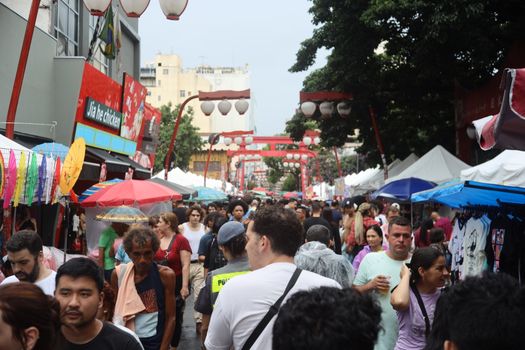
The signal in this interview isn't Brazil's current enthusiasm. It's the structural position Brazil occupies in Niantic's regional strategy. Mandujano emphasizes his role spans "Mexico to Argentina"—a massive geographic range with divergent connectivity economics. His focus on Brazil suggests where Niantic expects the highest marginal return on event investment.
Players should track three indicators:
- Secondary city announcements: If Go Fest expands beyond São Paulo and Rio to Belo Horizonte or Recife, this indicates Niantic is testing whether Brazil's community density can replicate at smaller urban scales. Silence on this front confirms concentration strategy.
- Legendary distribution mechanics: Whether featured returns use standard raid rotation or experimental capture methods will reveal how much Niantic is willing to alter event templates for regional optimization.
- Post-event retention data: Brazilian communities experience predictable cyclical contraction after major events. How steep the decline proves will shape future resource allocation. Players in organizer roles should document their local retention curves; this data becomes leverage in future Niantic community negotiations.
The core asymmetry remains: Brazilian players deliver disproportionate engagement intensity, but this intensity is geographically concentrated and socially gated. Players outside those dense networks receive a diluted experience of the same official event. The decision whether to travel for Go Fest, or to invest in local community building instead, depends on which side of that asymmetry you currently occupy.
Conclusion
Stop treating Go Fest as a uniform product. Brazil's version operates on different social physics than the same event in Berlin or Yokohama. If you're deciding whether to attend, weigh your existing community embeddedness more heavily than the announced spawn list. The creatures are identical. The coordination advantage isn't.