Verdict: Wait for a sale or the inevitable bundle. Mortal Kombat 1's core fighting is sharp—probably NetherRealm's best-feeling neutral game—but the $70 entry fee buys you a foundation that's actively unfinished. The Kameo system changes how you think about matchups in genuinely interesting ways. Everything else around it, from the grindy seasonal economy to the sparse launch roster padding, feels designed to extract rather than reward. If you're a competitive player who lives in training mode, you'll find enough to justify a discounted buy. Everyone else should circle back when the package actually matches the price.
The Kameo Gimmick Is Brilliant, and That's the Problem
Mortal Kombat 1's signature mechanic lets you tag in a secondary "Kameo" fighter for assists, combo extensions, and defensive escapes. In practice, this means your main character's gameplan shifts dramatically based on who you pair them with. A zoning character becomes a rushdown threat. A grappler gains teleport mixups. The permutation math gets stupid fast, and for lab monsters—the players who spend forty hours in training mode before touching ranked—this is catnip.
Here's the hidden variable most reviews gloss over: Kameo compatibility matters more than tier placement. You can play a theoretically weak main if their Kameo covers their bad matchups. The reverse stings harder. A top-tier character with no synergistic Kameo options faces harder counterplay than a mid-tier with two perfect dance partners. This flips how you should research before buying. Don't watch "best characters" videos. Watch "best teams" videos, or accept that your ranked climb depends on matchup knowledge you can't shortcut.
The trade-off NetherRealm made: Kameos add genuine strategic depth, but they also bloat the learning curve for returning players. Mortal Kombat 11 asked you to master one character's variations. MK1 asks you to master two-character synergies against other two-character synergies. The onboarding barely acknowledges this. Tutorial mode teaches Kameo inputs in isolation, not how to build a team identity. New players hit ranked, get washed by Sonya/Jax setups they didn't know existed, and bounce off before the system clicks.
Performance on PC (the Steam version this review addresses) runs generally stable at 60fps for fighting game standards, though the rollback netcode—serviceable, not exemplary—struggles more with Kameo tag animations than raw 1v1 matches. Cross-play exists but comes with the usual input-delay compromises. If you're buying specifically for online play, your experience depends heavily on your region's player density and whether you tolerate Wi-Fi warriors.
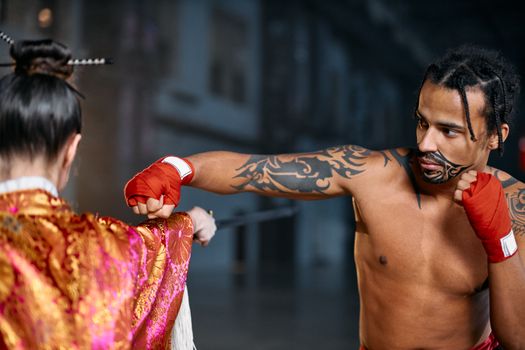
The Economy Wants Your Time More Than Your Skill
MK1 launched with a seasonal progression system tied to seasonal "Krowns" or equivalent currency, used to unlock cosmetics, concept art, and minor gameplay modifiers. The grind-to-fun ratio drew immediate criticism, and subsequent patches have adjusted earn rates upward. This is the standard live-service playbook: launch punitive, patch generous, reap goodwill for "listening."
The asymmetry most players miss: faster earn rates don't fix the structural problem. The seasonal model means content you don't unlock disappears or gets shuffled into worse rotation. Fighting games historically rewarded skill expression with immediate feedback—win, rank up, unlock palette. MK1 asks you to treat it like a second job to avoid FOMO. For players with limited hours, this design actively punishes the "pick up and play" rhythm that made earlier entries sustainable.
Monetization layers stack aggressively. Base game. Premium edition with early access and some Kameos. Seasonal "Kombat Packs" adding characters post-launch. Individual skin bundles priced at fractions of the base game. The math insults anyone who compares to MK11's Aftermath expansion model, where you bought once and owned the substantial additions. Here, the $110+ "complete" experience arrives piecemeal, and Warner Bros.' pricing history suggests the eventual "Komplete Edition" will bundle everything at a fraction of the early-adopter cost.
Who should swallow this anyway? Players who treat fighting games as their primary hobby, who will put 200+ hours into ranked regardless of economy design, and who value being present for the competitive metagame's evolution. The early months of any NetherRealm title are chaotic and fascinating—broken tech, day-one patches, character discovery. That social experience has value. Whether it's $70-110 of value depends on your disposable income and social circle.
Who should avoid? Casual fans who loved MK11's story mode and want equivalent hours. MK1's campaign is shorter, more linear, and front-loads its spectacle. The Invasion mode (board-game-style progression with modifiers) pads runtime but feels like mobile-game design transplanted awkwardly into a premium product. Players seeking a robust single-player package will finish hungry and face the economy wall immediately.

What Would Change This Recommendation
A concrete sale threshold helps. If MK1 hits 50% off with Kombat Pack 1 included, the value proposition inverts—suddenly you're getting a fully-featured fighter at standard edition launch price. The Steam page history suggests this happens within 12-18 months of release, faster if player retention drops.
Patch trajectory matters too. If NetherRealm overhauls the tutorial system to teach team-building fundamentals, or adds a permanent unlock path for seasonal content, the new-player experience improves dramatically. Their track record is mixed: MK11's tutorials were industry-leading, but the live-service pivots came slowly and reluctantly.
Cross-platform population health is harder to predict. Fighting games live or die by matchmaking speed at your skill level. If MK1's player base concentrates on consoles and PC queues lengthen, even discounted buyers suffer. Check Steam Charts or equivalent population trackers before any purchase if ranked play is your goal.
The wildcard: rollback netcode patches. NetherRealm has improved post-launch before, but the base implementation here lacks the responsiveness of contemporaries like Street Fighter 6 or Tekken 8. A significant netcode revision would bump the competitive recommendation substantially.

The One Thing to Do Differently
Stop treating fighting game purchases as event-day decisions. The genre's live-service pivot means early adopters pay premium prices to beta-test economies and balance. For MK1 specifically, set a Steam wishlist alert at 40-50% off, spend the waiting period watching tournament VODs to learn which Kameo teams actually win, and buy in only when your research confirms a character identity you'll stick with. The game will still be there. Your wallet and your sanity will thank you.