Verdict: Buy the base game if you own a drum controller or plan to get one. Skip the subscription add-on unless you're treating this as your primary rhythm game for 100+ hours. The core drumming is some of the best in the genre. The modern monetization is a mess that punishes exactly the players who love it most.
What Playing It Actually Feels Like
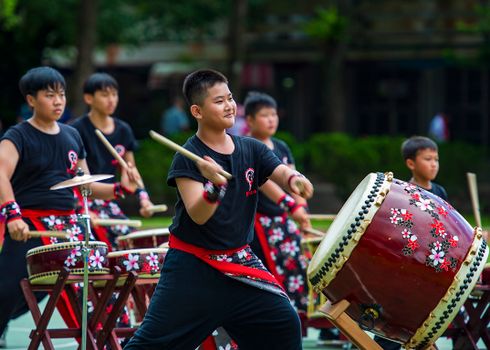
Taiko no Tatsujin lands in that rare space where the physical act of play overrides every other concern. Hit the drum. Red face, blue rim. Simple. The note charts build from obvious patterns into limb-twisting chaos that makes you feel like you're actually performing, not just reacting. After a few hours, the muscle memory sets in and you're chasing full combos on Hard, then staring at Oni difficulty wondering if your wrists will survive.
Here's the non-obvious part: the game feels better on worse hardware. A cheap HORI drum with its mushy response forces you to adapt, to internalize timing windows more deeply than a perfect arcade replica would. The imperfection becomes part of the skill expression. Players who import Japanese arcade cabinets or build custom controllers with piezo sensors are optimizing for a different experience—more accurate, less forgiving, arguably less fun for learning.
The PC port (Steam) carries specific baggage. Input latency varies by audio setup. Bluetooth headphones add frames of delay that destroy your accuracy without you understanding why. Wired audio or ASIO drivers fix this, but the game doesn't explain this anywhere. Most negative Steam reviews stem from this hidden technical failure, not the game design itself.
The song library in the base purchase is respectable but thin for repeated play. You'll exhaust the free content in roughly 15-20 hours if you're pushing difficulty progression. This is where the modern Taiko business model ambushes you.
The Subscription Problem Nobody Talks About
Bandai Namco's "Taiko Music Pass" operates on a model that would get laughed out of the room in most other rhythm games. Subscription access to a rotating or expanded library, on top of a full-price base purchase, with individual song packs also available à la carte. The pricing structure creates a psychological trap: the subscription seems "reasonable" monthly until you realize you've paid for the base game three times over in a year.
The hidden variable is commitment forecasting. If you play 5 hours weekly, every week, the subscription math works out versus buying every DLC pack. But rhythm games don't work like MMOs. Players binge, burn out, return months later. The subscription punishes this natural pattern. You're either locked in or locked out of "your" songs.
Compare to competitors: Project Sekai and Arcaea are free-to-start with clear song pricing. osu! is community-driven with infinite free content. Even Konami's e-amusement systems, notorious for extraction, offer clearer ownership boundaries. Taiko's model sits in an awkward middle where you pay premium prices without premium clarity.
The anti-consensus wedge: most rhythm game communities defend subscription models as "necessary for licensed music costs." This is backwards. Taiko's subscription revenue likely exceeds reasonable licensing multiples because the same players subsidize the same songs repeatedly. The model optimizes for extraction from existing fans, not growth or accessibility.
Who should pay? Players treating this as their only rhythm game, playing 10+ hours weekly, with stable income and no completionist anxiety. Everyone else gets better value buying selective song packs during sales or ignoring DLC entirely.
Controller Economics: The Real Purchase Decision
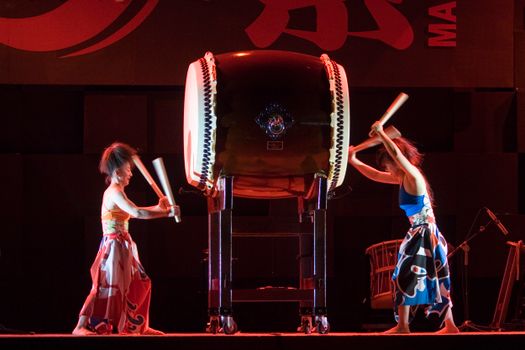
The game costs less than the controller you need to enjoy it. This asymmetry shapes everything.
| Setup | Cost Range | Experience | Verdict |
|---|---|---|---|
| Keyboard/mouse | Base game only | Functional, joyless | Only for testing interest |
| Gamepad | Base game only | Better than expected, misses the point | Temporary measure |
| HORI official drum | Base game + $80-150 | The intended experience, durability issues | Best mainstream option |
| Custom build (piezo/Arduino) | $200-400+ | Arcade-accurate, steep setup cost | For committed players |
| Arcade location | Per-play | Perfect, inconvenient, potentially expensive | Reference experience |
The trade-off most miss: drum controller durability versus sensitivity. HORI drums wear out—sensor degradation, pad separation, mounting instability. Budget 20-30% replacement cost over two years of regular play. Custom builds last longer but require technical troubleshooting that kills spontaneous play sessions.
If you're uncertain, buy the base game, try keyboard for an hour, then decide on hardware. The Steam refund window covers this test. Do not buy the drum first. Too many players own $120 peripherals for games they played twice.
Who This Is For, Who Should Avoid It
Best for:
- Players with existing drum controllers or arcade access
- Rhythm game veterans seeking physicality beyond button pressing
- Japanese music enthusiasts (anime, Vocaloid, game soundtracks dominate licensing)
- Local multiplayer households—the party mode genuinely works
Avoid if:
- You're price-sensitive and completionist (DLC structure will torment you)
- You primarily play on laptop speakers or Bluetooth audio (latency kills the game)
- You want narrative or progression systems (there's almost nothing here)
- You're new to rhythm games and unsure of your interest (start cheaper)
Caveats that change the recommendation:
- A Steam sale dropping base game below typical discount thresholds makes the entry risk trivial
- Subscription model changes to include "owned forever" tiers
- Major patch addressing audio latency or adding robust calibration tools
- Drum controller bundle deals during holiday periods
The One Thing to Do Differently
Don't optimize for song quantity. The base game has enough to learn the drum, to feel the physical pleasure of the game. Add songs only after you've worn out what you have—most players never reach this point. The subscription preys on fear of missing out; the actual experience rewards repetition and mastery. Buy the drum, skip the pass, play the same ten songs until your hands hurt. That's the game. Everything else is marketing.