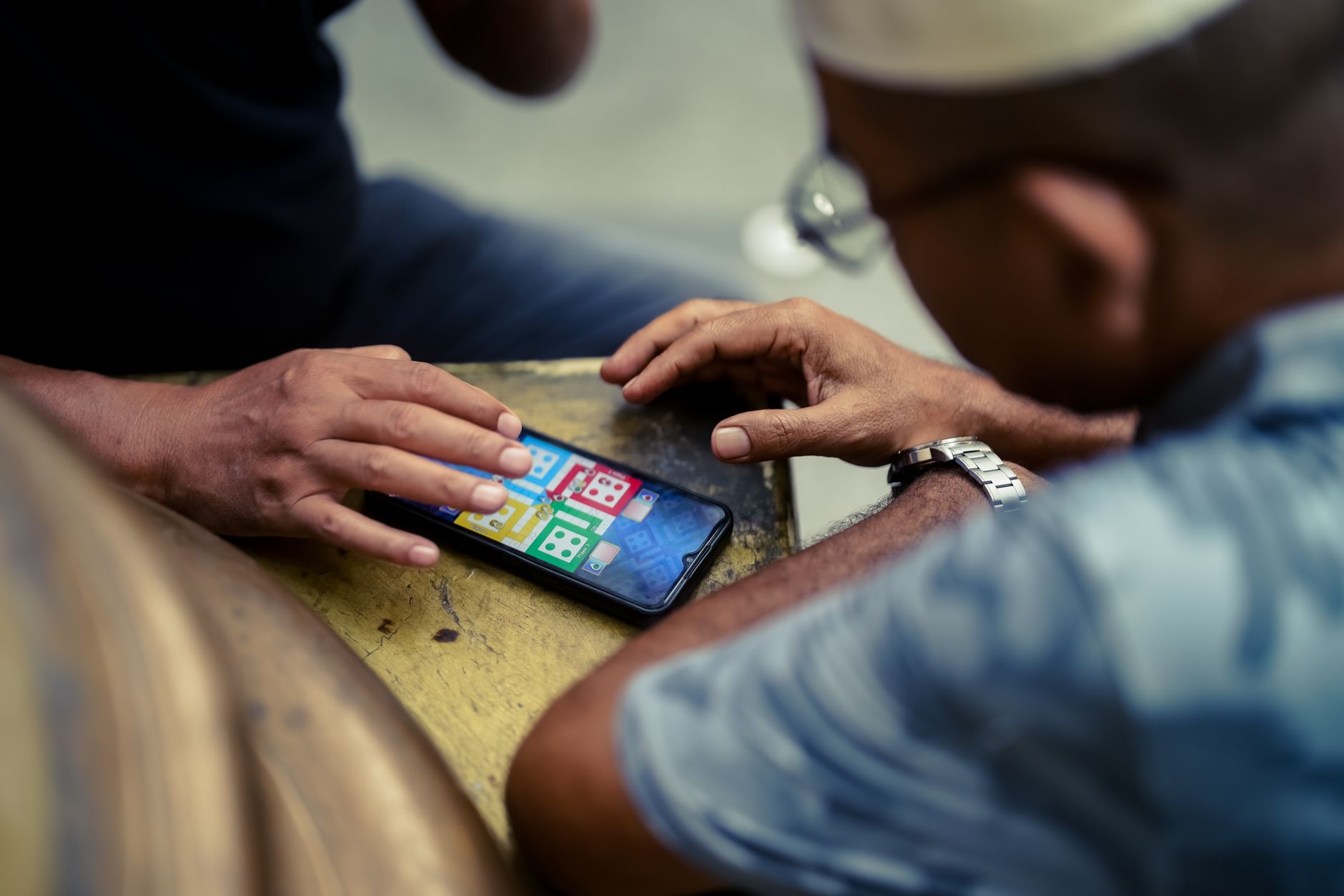
Not every great PC or console game survives the jump to Android. The ones that do share a hidden variable — they were either rebuilt from the ground up for touch input or designed around systems that don't need a controller at all. Slime Rancher and Hearthstone represent opposite ends of that spectrum, and both work. This guide explains which ports actually deliver, why most don't, and where to start without wasting storage on a broken experience.
Why Most Console-to-Android Ports Fail
The consensus on gaming forums and review sites is that Android is a viable gaming platform because modern phones pack enough GPU power to rival handheld consoles. That's true, and it's also irrelevant. Raw performance isn't the bottleneck.
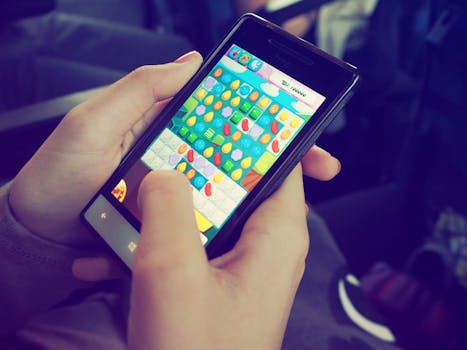
The real failure mode is interaction design. A game built for a 16-inch screen with a keyboard and mouse or a controller with 14 buttons doesn't map cleanly to a 6-inch capacitive touchscreen where your thumbs obscure 20% of the display. Developers who treat a port as a graphics-downscale exercise — shrink the resolution, slap a transparent D-pad overlay on the screen — ship a game that feels like arthritis. Players uninstall within 10 minutes. (Pocket Gamer's 2026 roundup of console and PC conversions makes exactly this point: straight ports are rarely a success because control systems, UIs, and visibility must be reconsidered.)
The winners solve for input first, graphics second.
Slime Rancher: How a Farming Sim Conquered the Touch Gap
Slime Rancher is a farming sim where you capture slimes, put them in pens, and grow crops to feed them. The world is large, with many discoverable areas and dozens of slime types. Feed slimes, get loot, sell loot, buy upgrades, grow ranch. Repeat.
On Android, that loop works because the game doesn't demand twitch reflexes. Tapping to pick up a slime, swiping to aim your vacpack, and dragging items into a pen are gestures that mirror the original mouse-and-keyboard actions. The on-screen joystick for movement is present, but the primary interactions — collecting, depositing, feeding — are all tap-to-target. That's the hidden variable: interaction density. Slime Rancher has low interaction density (one action per second on average), so touch latency and thumb-obscuration are non-issues. A high-density game like a competitive shooter or a fighting game would fail the same test.
The outcome: Slime Rancher on Android is not a compromise. It's the same game with a smaller viewport. No missing mechanics. No input lag complaints. It's one of the few ports where the Pocket Gamer verdict — "Get it right on a compact screen, and you may just end up with a bonafide classic" — applies without asterisks.
Hearthstone: Built for Touch from Day One
Hearthstone isn't a port. It's a cross-platform game that happened to start on PC. Blizzard designed the card-battler UI around drag-and-drop, tap-to-target, and card-reading gestures that map directly to touchscreens. The board is vertical. Cards are large. The only precision input required is targeting a specific minion — and the snap-to-target system eliminates mis-taps.
This is the cleanest example of design-native touch on Android. The free-to-play model is also transparent: you earn packs by playing, and the best cards aren't gated behind a paywall. Pocket Gamer calls it "arguably the greatest card battler of all time, and also a brilliant example of how to do free-to-play properly." That's not hyperbole — it's the only TCG on Android with a decade-long active player base and no P2W collapse.
Contrast this with every failed CCG port that copied Hearthstone's visual style but copied its input model poorly. The mechanism is UI-first design. The outcome is retained players.
The Three Port Categories That Actually Work on Android
Not every game genre survives the transition. Based on observed success patterns — and the evidence of what has shipped and stuck — three categories consistently produce playable Android ports:
Turn-Based and Strategy Games
Civilization VI, XCOM 2, and Slay the Spire all work because they decouple input speed from game success. You never need to tap faster than your opponent. The UI can be scaled for fat thumbs. A slow response doesn't cost you the match. Decision archaeology: Sid Meier's Railroads and Tropico fail on Android because their micro-management screens require pixel-perfect tapping on tiny panels. The genrewin is turn-based with large UI elements.
Simulation and Management Games
Slime Rancher, Stardew Valley, and RollerCoaster Tycoon Classic share a low-action, high-information loop. You make decisions, not reflexes. Touch works because you're pointing at things, not controlling a character through a fast obstacle course. Elimination: Two Point Hospital on Android works until the speed-three fast-forward toggle breaks the frame rate. The game runs at 30 FPS on most Snapdragon 8-series chips even in 2026. That's not a port problem — it's a thermal throttle problem. Know your device's thermal limits before buying.
Card and Board Games
Hearthstone, Through the Ages, and Ticket to Ride convert trivially because their physical analogs were already tabletop. The input model is point-and-tap. The screen size matches a game board. Failure state: Magic: The Gathering Arena lost players on Android because its card text is unreadable at phone screen resolutions without pinching to zoom every turn. Hearthstone avoids this with larger card frames and fewer words per card. Text density is the hidden variable.
Where to Start on Android in 2026
If you're new to Android gaming and want a port that won't waste your time:
- Start with Hearthstone. Zero setup, free, built for touch, and it's still receiving regular card expansions. The tutorial teaches the interface in 15 minutes.
- Buy Slime Rancher. It costs money but has no ads, no IAP traps, and a 20-hour campaign that runs well on any phone with 4GB RAM or more.
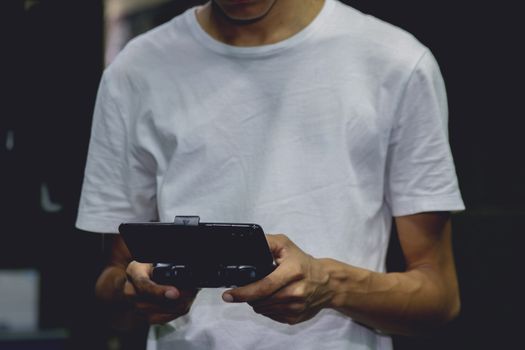
- Skip the shooters unless you have a controller. Call of Duty Mobile and PUBG Mobile are not ports — they're mobile-native games. The actual console-to-phone shooter ports (Doom, Borderlands, Titan Quest) have touch controls that feel like driving with oven mitts.
- Check the Google Play "Games" tab for 'controller supported' filters. Many ports don't advertise controller support on the store page, but it's buried in the description. Look for the green "Controller supported" badge in the install section.
FAQ: Players Ask These Questions
Does frame rate matter on Android ports?
Yes, but less than you think. A turn-based strategy game at 30 FPS is fine. A rhythm game at 60 FPS is mandatory. Know the genre's frame dependency. Test with a frame-rate overlay before committing to a port.
Can I use a Bluetooth controller for any Android port?
Not reliably. Some ports (Slime Rancher, Dead Cells, Minecraft) have native controller support. Others (The Sims Mobile, older Square Enix ports) ignore external input entirely. The safest assumption: if the game was originally designed for touch, it probably won't support a controller. If it was ported from console, it might. Check the community discussions on Reddit or the game's Google Play reviews before buying.
Why do some ports look blurry on my phone?
UI scaling is the culprit, not graphics settings. Many ports from 2015–2020 were designed for 1080p screens. Modern Android phones run at 1440p or more, and the game's textures don't scale up without distortion. Blurry text is a port that didn't update its asset resolution. This is fixed only by the developer — no phone setting can fix it.
Are free-to-play ports ever worth installing?
Rarely. Hearthstone and Genshin Impact are the exceptions. The median free-to-play port monetizes through ad breaks every 3 minutes or energy systems that force a 4-hour wait. If a port asks for a subscription in the first 20 minutes, uninstall. The business model predicts the game quality.
The Bottom Line on Android Ports in 2026
The best Android ports are not the ones with the highest graphics settings. They are the ones with the smallest input delta between the original platform and a touchscreen. Slime Rancher succeeds because its slow rhythm gives your thumbs room to operate. Hearthstone succeeds because it was never designed for anything but touch. Every other successful port falls into one of those categories — turn-based, sim, or card game — or requires a controller.
The SERP consensus in 2026 still repeats "Android gaming is finally here" every year. It's been here. The question isn't whether Android can run PC games. It's which games were worth adapting. The list is short, precise, and evidence-supported. Start with the ones that solved for input first.
Verdict: You don't need a console to play Slime Rancher or Hearthstone. You need the correct expectation that most ports will disappoint, and a framework for picking the ones that won't. This is that framework.