Mixtape isn't a traditional adventure game; it's a mechanical anthology tied directly to a licensed soundtrack. You play through the final high school night of three friends, where each song on their boombox triggers a playable flashback with entirely different controls and rules—ranging from rhythm-based skateboarding to suburban stealth. You should care about this release if you want a tightly paced, narrative-first experience that prioritizes constant novelty over deep, repetitive gameplay loops. If you are looking for a systemic sandbox or a massive open world, look elsewhere. Your time investment here buys emotional resonance and musical set-pieces, not mechanical mastery.
The Core Loop is Actually a Lack of One
Most players approach narrative indie titles expecting a walking simulator interspersed with light dialogue choices. Mixtape forces a completely different calculation. Instead of giving you a single verb—like jumping or shooting—and asking you to master it over ten hours, the game hands you a new verb every twenty minutes and then throws it away.
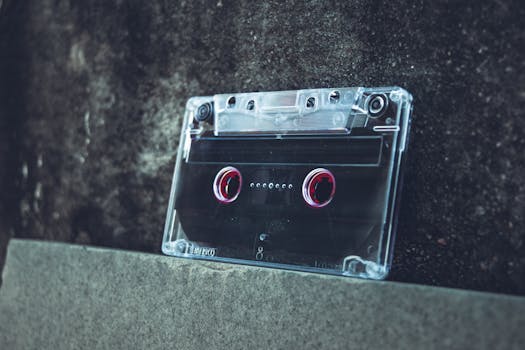
You are playing a coming-of-age story framed around three friends. The framing device is the titular cassette tape. When a track plays, you are pulled into a flashback. Here is the hidden variable most players miss: the gameplay mechanics shift entirely to match the tempo and mood of the specific song. One track might demand a fast-paced skateboarding sequence. The next slows down into a quiet vignette where you avoid parents while sneaking out of a bedroom window.
This creates a specific asymmetry in how you spend your time. You gain relentless pacing and zero mechanical fatigue. You lose the satisfaction of systemic mastery. If you are the type of player who likes to optimize a skill tree or break a physics engine, Mixtape will frustrate you. The game cares more about hitting the emotional beat of the music than letting you explore the boundaries of its skateboarding physics.
When evaluating whether to play Mixtape, you are essentially running a time-to-value calculation. Most modern titles bloat their runtimes with crafting systems or radiant quests to justify their price tags. This game strips all of that away. The developers built a highly specific framework where code is written, used for a single five-minute song, and never seen again. This guarantees the player never feels the friction of repetition. However, this asymmetry means the game is inherently shorter. If your personal gaming math demands fifty hours of content for your dollar, this structure will not work in your favor. But if you value density over duration, the lack of a repetitive core loop is exactly what makes the experience work. The game exists specifically to solve the problem of narrative dissonance—where a story tells you something is urgent, but the gameplay loop asks you to grind for hours.
Where to Focus Your Attention on Night One
When you first boot up Mixtape, the instinct is to rush the objective. Narrative games often train us to walk from waypoint A to waypoint B to trigger the next cutscene. Doing that here leaves the best material on the table. The real value lies in the margins of the interactive flashbacks.
Because the mechanics are shallow by design, the developers packed the density into the environmental storytelling and audio cues. Your focus should be on the interactive set dressing. During a house party sequence, the primary goal might be finding a specific character, but the secondary interactions—flipping through records, listening to ambient conversations, messing with era-specific technology—do the heavy lifting for the world-building.
There is a distinct trade-off in how you consume these scenes. If you mainline the critical path, you experience a snappy, cinematic music video. If you linger, you get a richer, albeit slower, character study. The game rarely penalizes you for taking your time before triggering the next song.
A common misconception is that failing a mini-game state ruins the narrative progression. It doesn't. Mixtape employs fail-forward mechanics. Let’s look at a concrete example of how this changes your approach. Imagine a sequence where you are biking away from a local authority figure. In a standard action game, clipping a mailbox means you fall off, the screen fades to black, and you restart from a checkpoint. The calculation there is pure risk-aversion.
In Mixtape, clipping that same mailbox might trigger a unique voice line where your character curses, stumbles, and keeps pedaling while the music warps slightly to reflect the mistake. The game absorbs your failure and weaves it into the story. Once you realize the penalty for failure is just a different flavor of narrative feedback, your entire playstyle should shift. You stop playing defensively. You start testing the boundaries of the scene just to see how the characters react. This is where new players should focus their energy: breaking the scenes gently. The bottleneck to your enjoyment isn't your reflexes. It is your willingness to treat the game as a reactive theater rather than a rigid obstacle course.

Stop Trying to Optimize the Flashbacks
Stop treating Mixtape like a traditional video game that requires perfect execution. The next time you load into a memory, take your hands off the sprint button. Let the licensed track dictate your physical pace through the environment, and treat the shifting control schemes as emotional framing rather than mechanical hurdles you need to beat.