Valve has released the external shell CAD files for the new Steam Controller and its rechargeable Puck under a CC BY-NC-SA 4.0 license. Published via GitLab, these files allow modders to legally remix and 3D print custom hardware shells, provided the creations remain non-commercial, credit Valve, and share under the exact same terms. This release follows the gamepad's May 4 launch, which sold out in roughly 30 minutes and briefly brought the Steam store to its knees.
The hardware release context
The new Steam Controller launched just days ago to immediate, overwhelming demand. Valve's manufacturing estimates did not match the market reality; the hardware sold out in approximately 30 minutes, straining Steam's infrastructure in the process.
Now, the company is shifting focus from scarcity to customization. The newly available CAD files cover the controller's "surface topology"—the exterior plastic shell that users physically hold. Alongside the main controller body, Valve released the files for the rechargeable Puck, a core power component. Modders can download these files directly from GitLab to use as a baseline for custom 3D printing projects.

How the Creative Commons license works here
The licensing structure dictates exactly what hardware modders can and cannot do with Valve's intellectual property. Valve applied the CC BY-NC-SA 4.0 framework to these files, which operates on three strict rules.
- BY (Attribution): You must give appropriate credit to Valve for the original design.
- NC (NonCommercial): You cannot sell the printed shells or use them for commercial purposes.
- SA (ShareAlike): If you remix or modify the shell, you must distribute your new design under the exact same CC BY-NC-SA 4.0 license.
Under normal circumstances, the NonCommercial clause would entirely block anyone from monetizing a custom controller shell. Valve, however, included a specific addendum in the license file: "If you are interested in creating a commercial product based on the Materials, please get in touch with Valve."
This isn't a blanket permission slip. It is a formal request for a direct business conversation. Anyone wanting to mass-produce a custom ergonomic shell or a specialized accessory must negotiate terms directly with Valve's licensing team first.
Implications for hardware modders
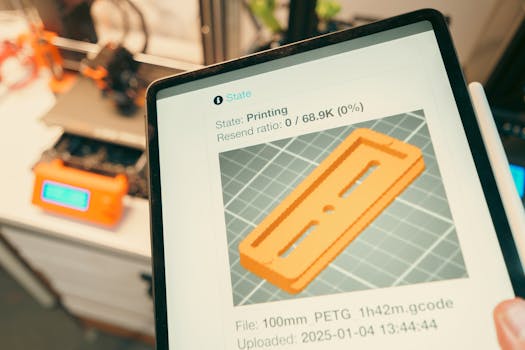
Releasing CAD files transforms the Steam Controller from a sealed consumer electronic device into a modular hardware platform. The immediate outcome is straightforward: users with access to resin 3D printers can produce replacement parts, custom grips, or entirely new shell geometries tailored to their hand sizes.
(Hard-Stop Verdict: If you only own a basic, entry-level FDM 3D printer, this release is not for you. Printing ergonomic gamepad shells that snap together cleanly and feel comfortable during extended play requires the precision and finish of a resin setup, which handles the tight tolerances of the controller's internal mounting points far better than standard filament extrusion.)
Historically, Valve has permitted commercial remixes of its properties under the right circumstances. The company allowed fans to create and sell 3D printed merchandise based on its game universes via the service Shapeways as far back as 2017. The mechanism here—CAD availability under Creative Commons—mirrors that philosophy. Valve retains control over the core electrical components and internal layout while outsourcing the exterior aesthetic and ergonomics to the community.
What is still unknown
While the external shell is now open source, the actual internal electronics remain proprietary. The CAD release does not include schematics for the Puck's battery management system, the controller's haptic trackpads, or its PCB layouts. Modders are strictly working within the bounds of the exterior plastic housing.
Furthermore, Valve has not announced a restock date for the official Steam Controller hardware. The base units are completely sold out. A community member can print a custom shell today, but they still need the internal electronics from a first-party controller to make it function. Until Valve replenishes its inventory, the CAD files primarily benefit those who secured a unit during the initial 30-minute window.
What to watch next
The immediate marker of success for this release will be the community's response on GitLab. Watch for fork activity and issue logs. If modders begin posting modified files that fix common ergonomic complaints—such as grip texture or trigger reach—within the first month, the hardware community will likely see a surge in niche, community-driven physical iterations.
Additionally, watch for third-party hardware manufacturers to take Valve up on its commercial addendum. If a company like Shapeways or a dedicated peripheral brand negotiates a licensing deal to sell premium, custom Steam Controller shells, it will establish a new baseline for how major platform holders handle hardware modding rights.
Finally, keep an eye on Steam's hardware storefront. The speed of the next Steam Controller restock, paired with any official Valve accessory drops, will clarify whether this CAD release is a precursor to an official modular hardware ecosystem, or simply a peace offering to a community that missed out on a 30-minute flash sale.